It begins at the water
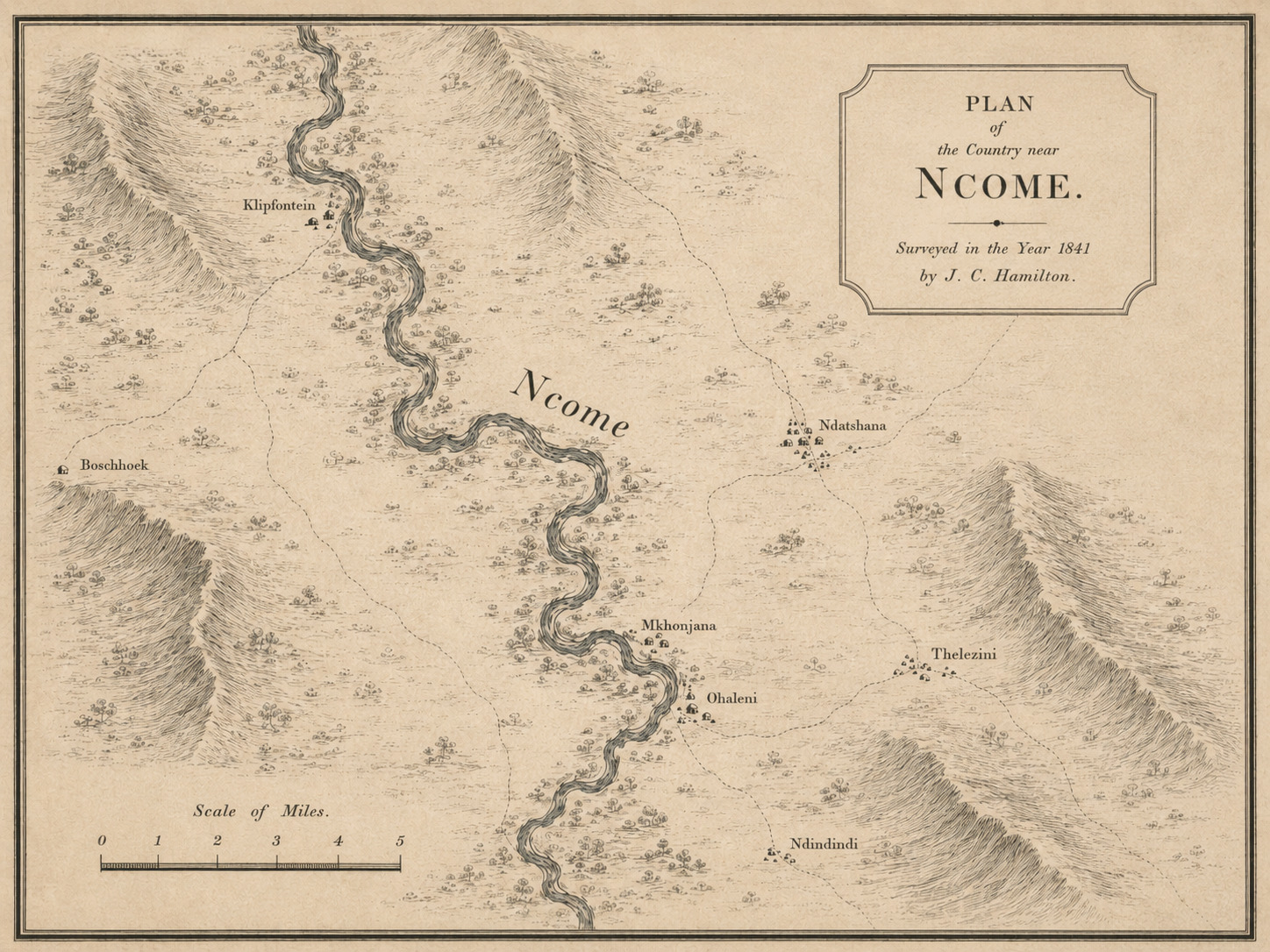
This river has two names.
Same water. Same banks.
Among the many groups of southern Africa, two groups carry very different memories of what happened here.
One called it iNcome.
The other called it Blood River.


This is the story of both.
Follow the water to see how one place came to hold two histories.
Two Memories. One River.
Long before this battle, southern Africa was already home to many peoples, kingdoms, communities, and histories.
This journey focuses on two memories connected to this river: the Zulu kingdom and the Voortrekkers.
They did not begin as simple enemies, but land, power, fear, and violence would bring them to the same river, on the same morning.
↙ Scroll to meet both memories ↘
Zulu Memory
Abantu Basekhaya, People of the Home
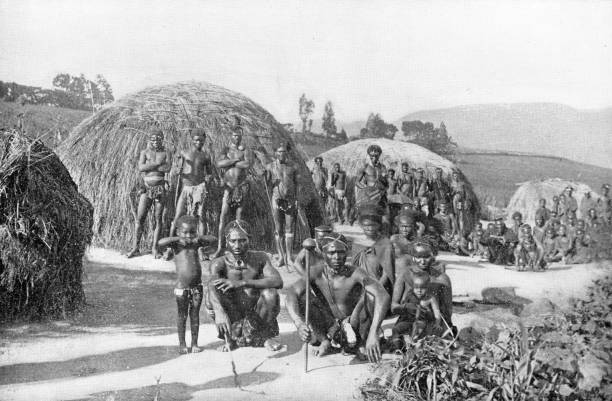
By 1838, the Zulu kingdom held sway across much of south-eastern Africa. The land around Ncome was already woven into older histories, ruled, defended, and remembered. For the people who lived here, this was not a frontier to be claimed. It was home.
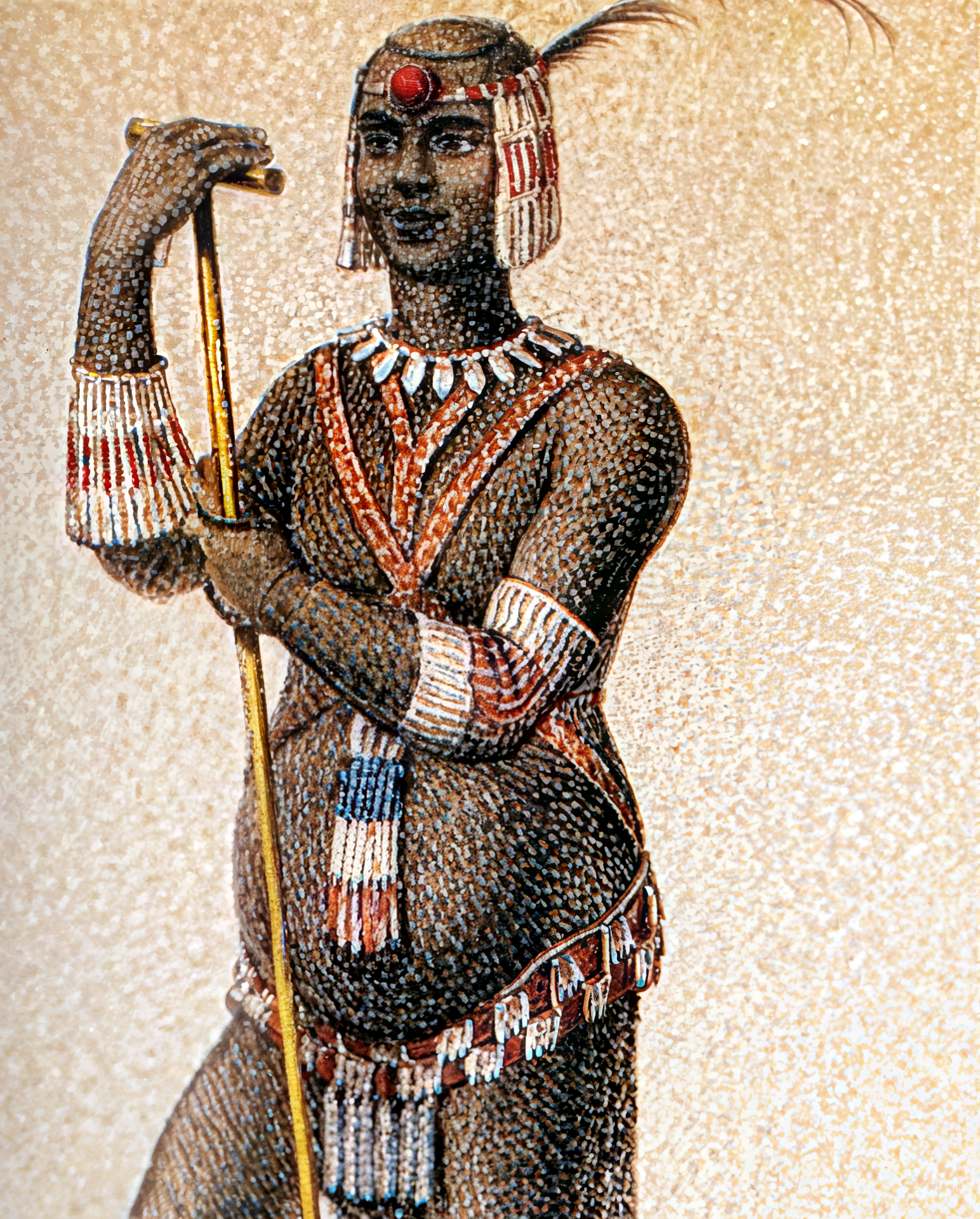
King Dingane kaSenzangakhona
Dingane came to power in 1828 after the assassination of his half-brother Shaka. He ruled a kingdom still consolidating after Shaka's wars of expansion, a kingdom that stretched across what is now KwaZulu-Natal. The Ncome River was a known boundary, sacred, defended, and held in memory for generations.
uMgungundlovu
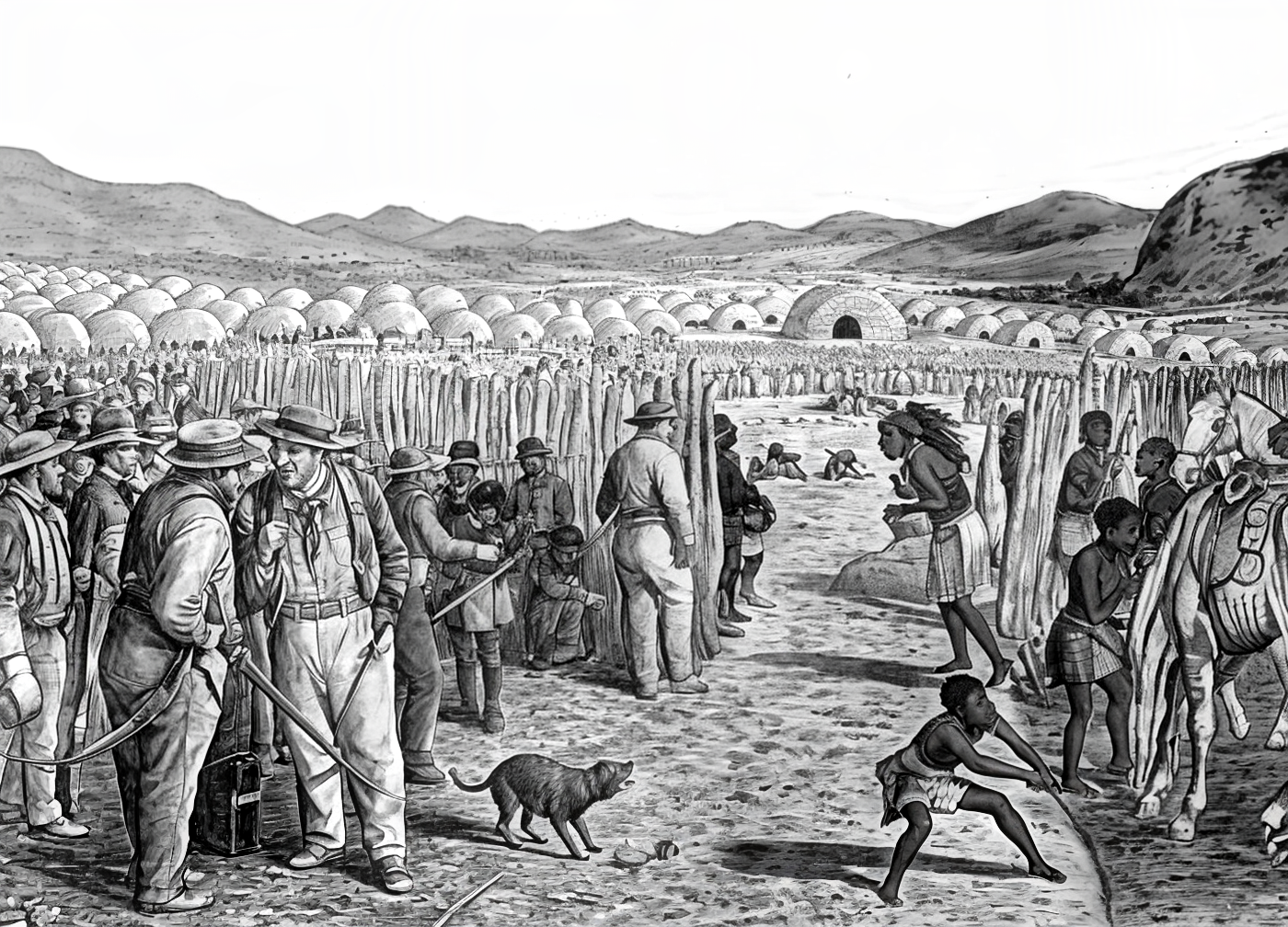
The Zulu royal kraal, uMgungundlovu, meaning "the secret conclave of the elephant", was a vast settlement of around 1,700 huts arranged around a great cattle kraal. It was the seat of Zulu power, the place where decisions were made and where visitors came to negotiate. It was also where, in February 1838, Piet Retief and his men would meet their end on KwaMatiwane hill.
The Negotiation
When the Voortrekkers arrived asking to negotiate for land, Dingane listened. He agreed in principle to grant territory on the condition that Retief recover cattle stolen by the rival chief Sikonyela. Retief completed the task, but kept the horses and guns he had also taken. Voortrekker parties had already begun crossing into Natal before any agreement was finalised. What Dingane intended in the days that followed remains contested.
Bulalani Abathakathi
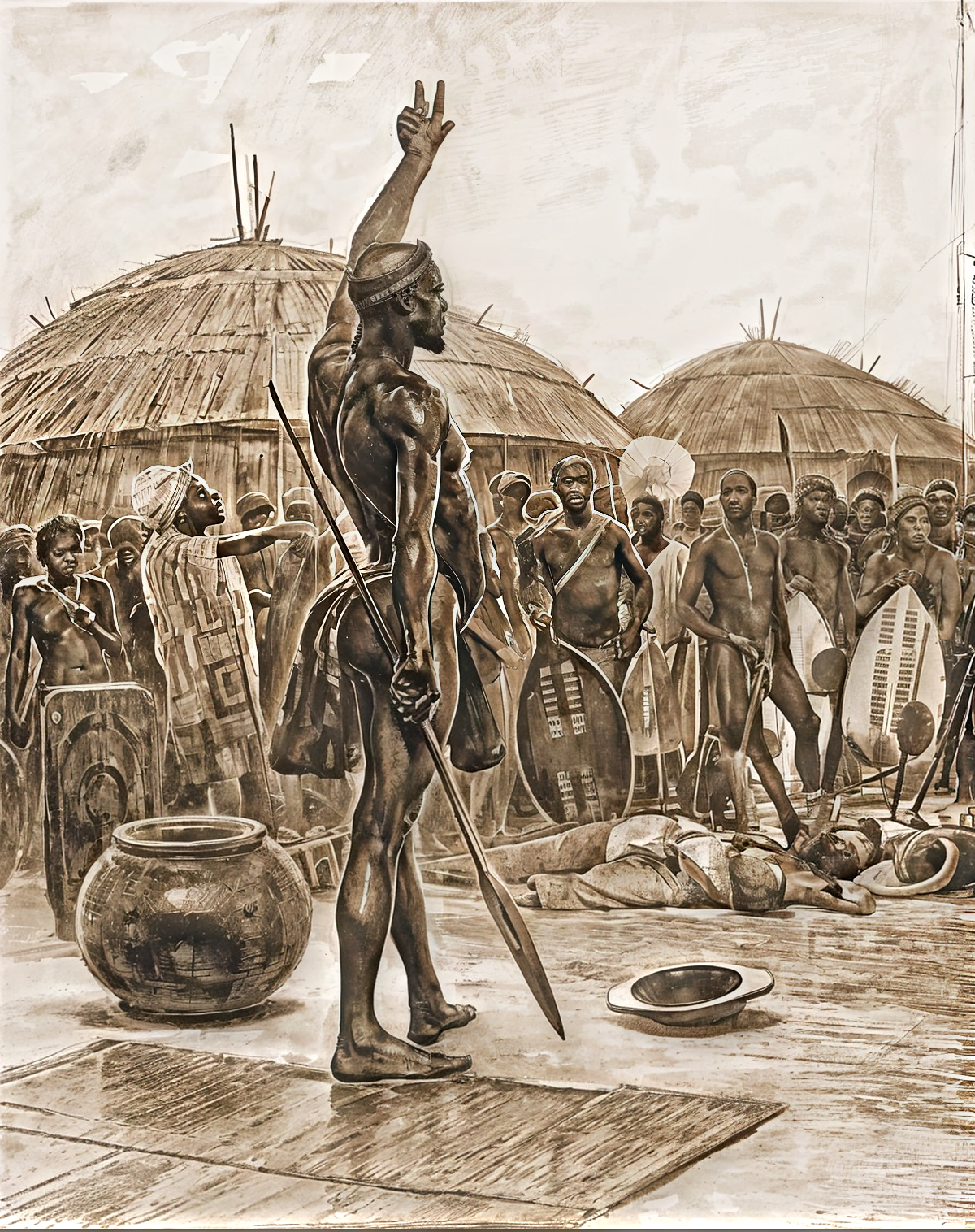
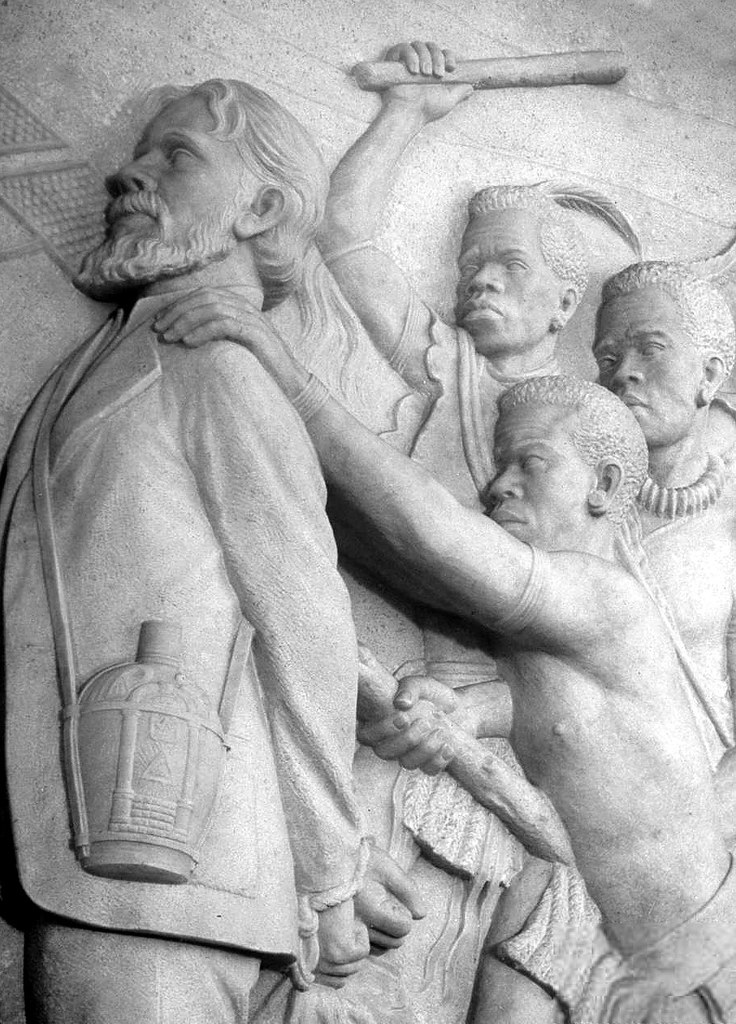
On the morning of 6 February, after a farewell celebration, Dingane rose. He charged Retief and his men with ubuthakathi, witchcraft against the king, a treason charge in Zulu law. His advisors had watched Voortrekkers scout around the kraal at night and seen Boer wagons already moving into contested land. Retief, his son, and 67 men were taken to KwaMatiwane and killed. Eleven days later, Zulu impis attacked the unprepared Voortrekker camps along the Bloukrans, killing some 500 people. Women, children, and Khoi and black servants made up most of the dead.
Horns of the Buffalo
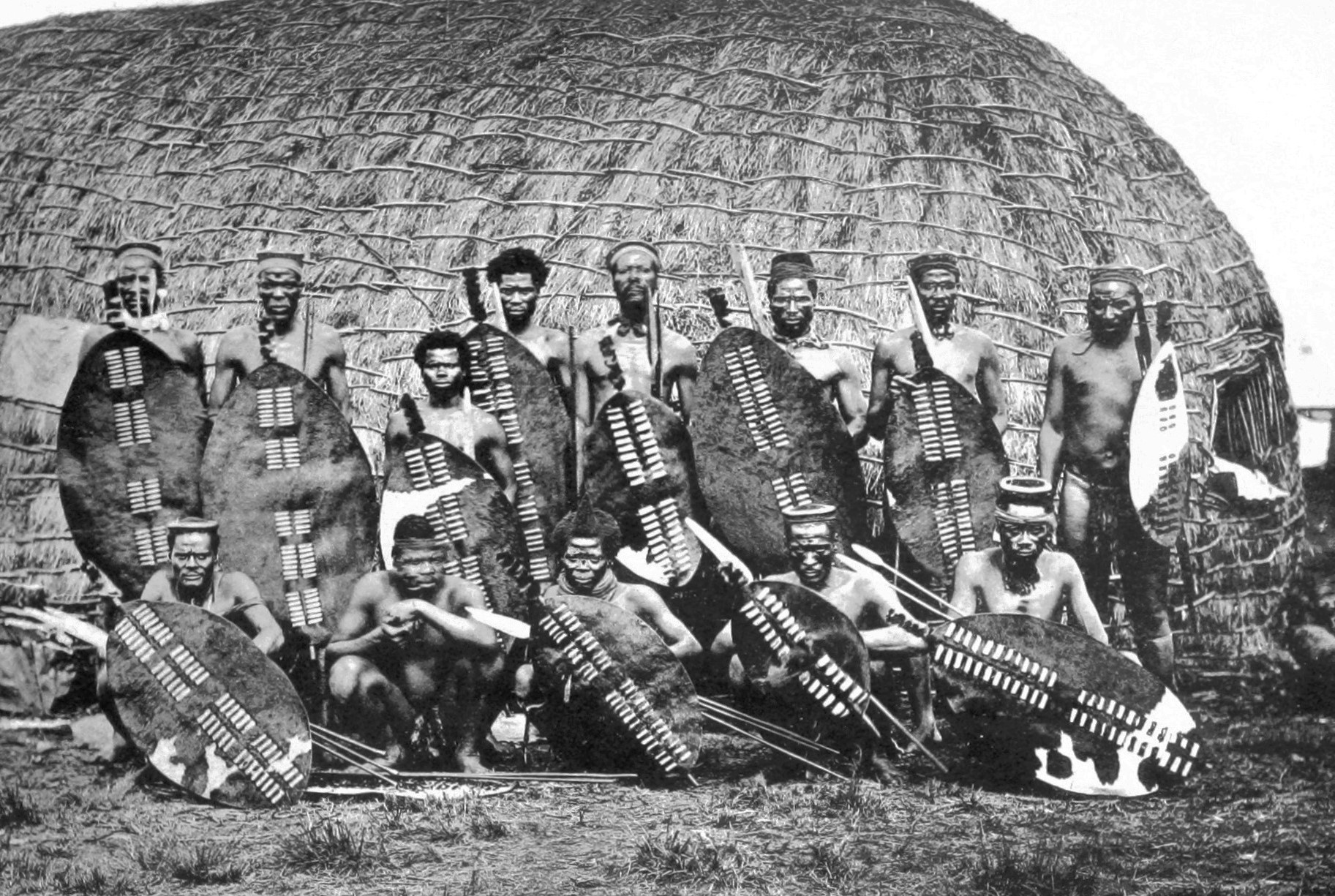
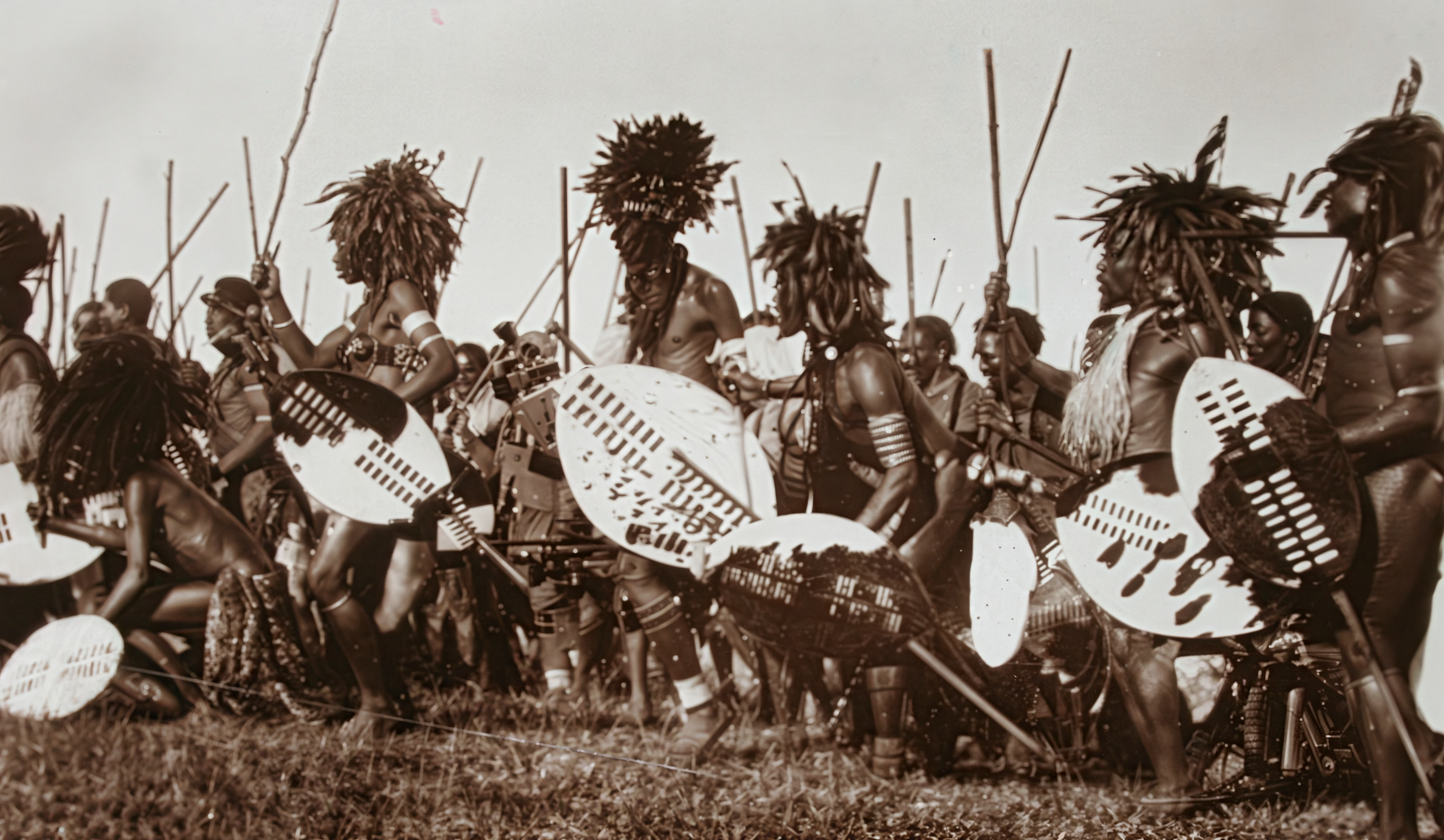
The amabutho, age-regiment warriors, carried iklwa short spears and large cowhide shields. Their formation, the Impondo Zankomo, surrounded enemies like the horns of a buffalo. A chest absorbed the enemy while the horns encircled from both sides. Against the open battlefields of southern Africa, it had been devastating. Against a fortified wagon laager with cannon and continuous musket fire, it would meet something new.
The War Cry
Before every battle, the amabutho prepared through hours of ritual, singing, dancing, and the ceremonial application of war medicines called intelezi. At dawn on 16 December, the cry of the warriors rose across the Ncome as thousands advanced toward the wagons. It was not just sound. It was identity, a kingdom declaring itself in the language of its ancestors.
Voortrekker Memory
Die Groot Trek, The Great Journey
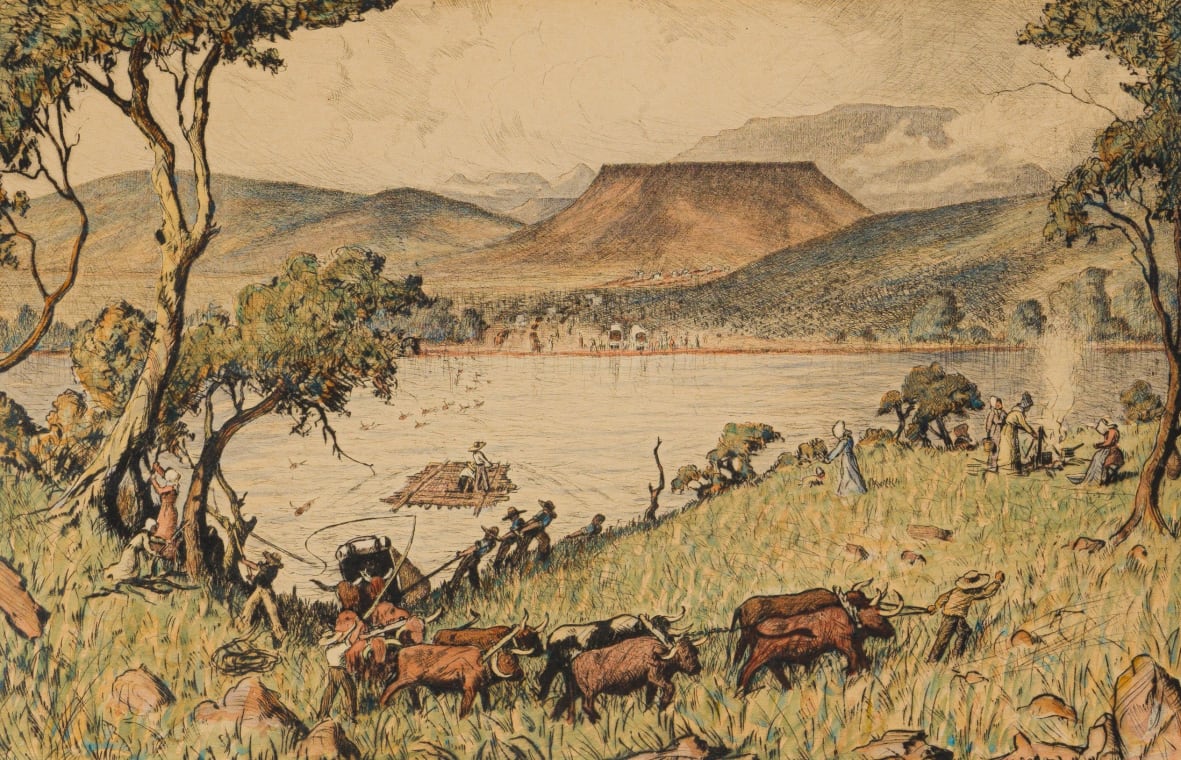
From 1835 onward, Voortrekker families left the Cape Colony in wagon parties, moving north and east away from British rule. They moved into a region already home to many peoples and kingdoms, carrying with them the belief that they could build a future of their own.
Leaving the Cape
Under British rule in the Cape Colony, Dutch-speaking farmers faced new laws, the abolition of slavery, and the imposition of English in court and administration. They called themselves Boers, farmers. They decided to leave. Moving north and east in family wagon trains, they became the Voortrekkers, those who go ahead. The lands they entered were not empty.
The Wagon Trains
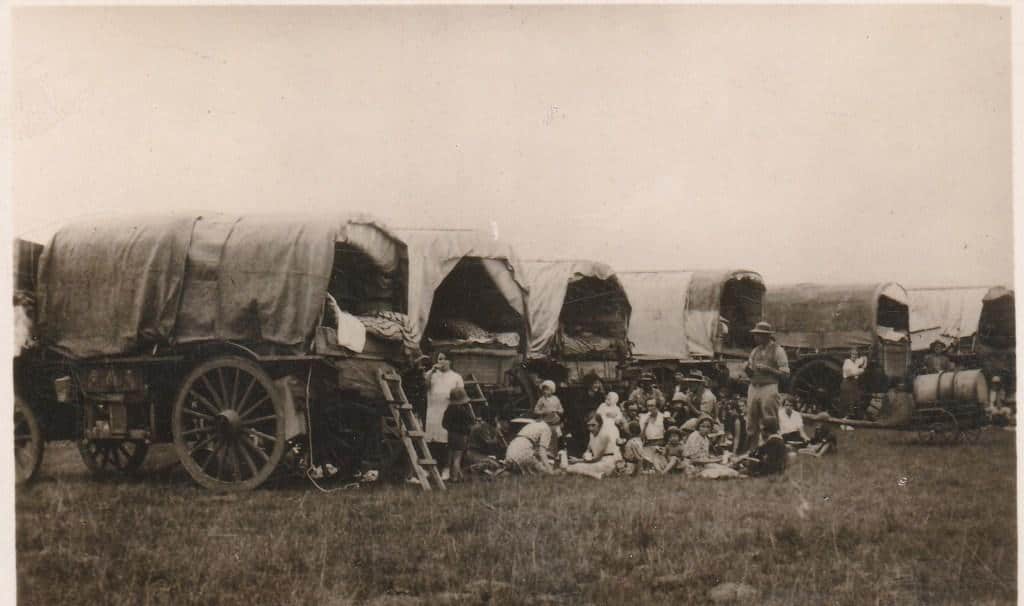
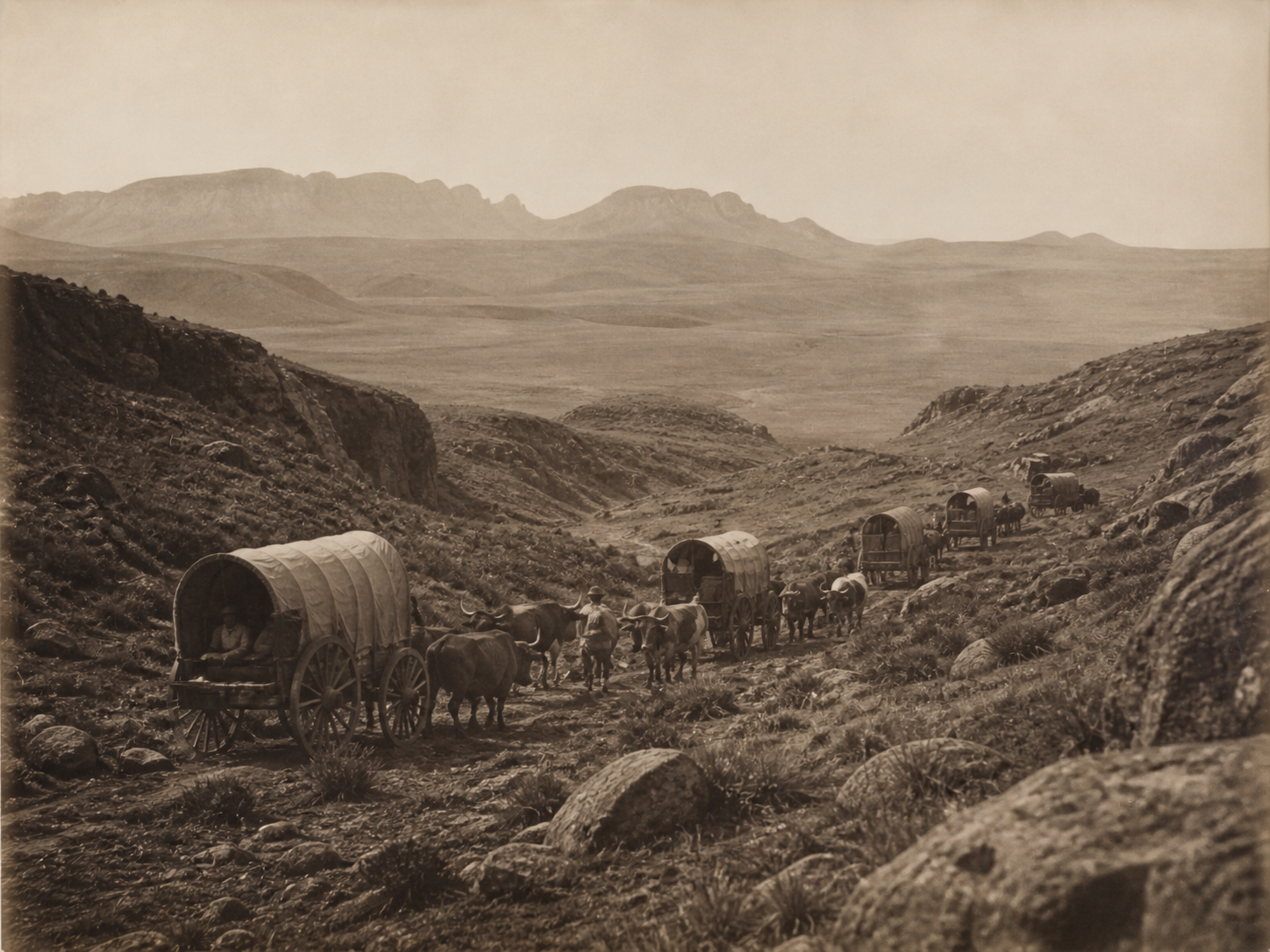
Each wagon carried a family's entire world, furniture, Bibles, seed, ammunition, children. Oxen pulled them across mountains and rivers. When threatened, the wagons formed a laager, a tight circle with gaps sealed by thorn bushes. It was their moving fortress. It would be tested as never before.
Piet Retief
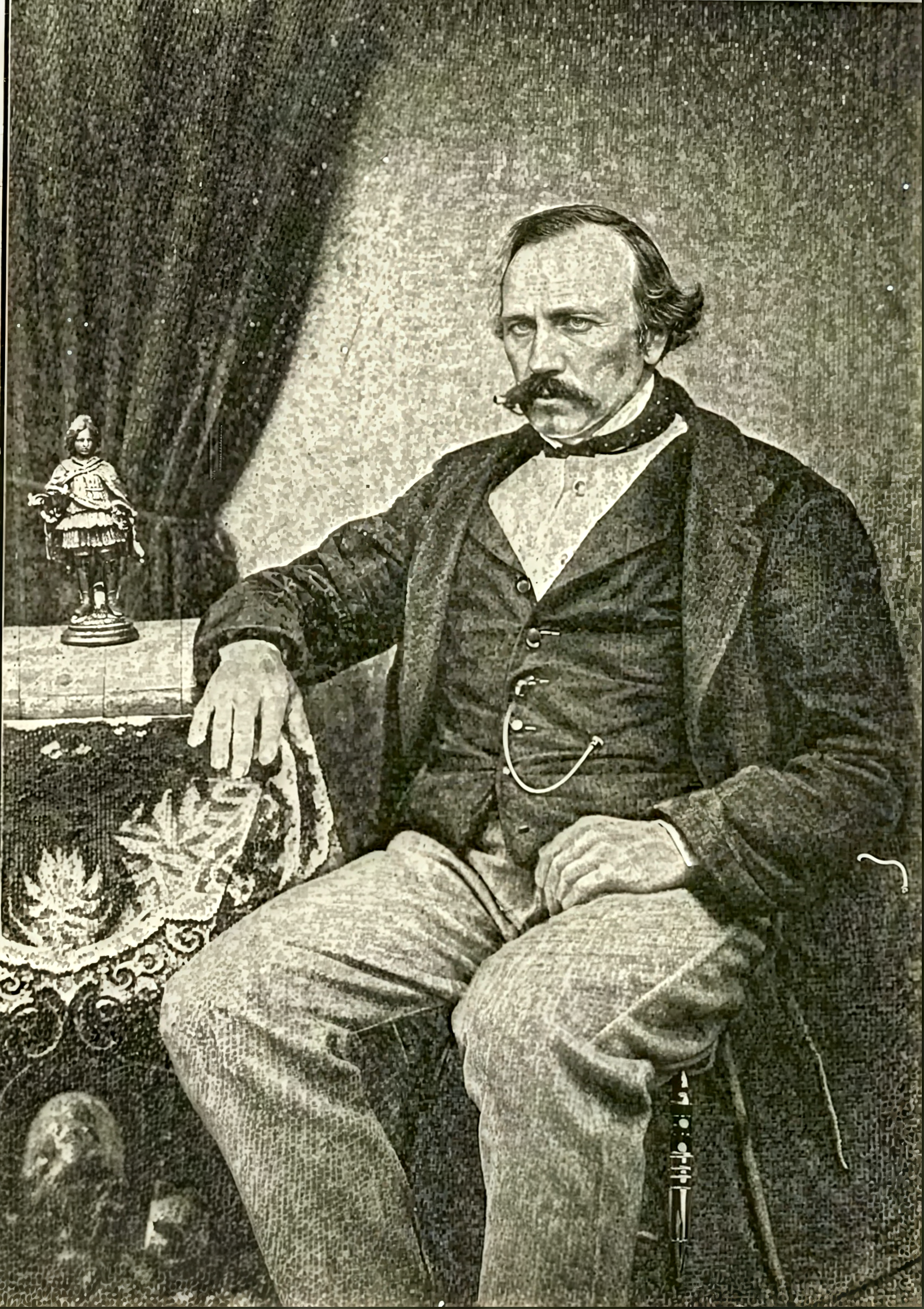
Retief was the elected governor and commander of the Natal party. A man of firm conviction, he believed the land between the Tugela and the Drakensberg could be negotiated for peacefully. He wrote a manifesto. He rode to meet Dingane with around seventy men. He left his weapons outside the gate as Zulu protocol required. He did not come back.
Weenen
On the night of 17 February 1838, Zulu impis attacked the undefended Voortrekker camps along the Bloukrans and Bushman's rivers. Around 500 people were killed, two-thirds of them women and children, and roughly half of them Khoi and black servants travelling with the trek. The survivors called the place Weenen, the Afrikaans word for weeping. They would not turn back. They would wait for a commander.
Andries Pretorius
Pretorius arrived from Graaff-Reinet on 25 November 1838 and was immediately appointed Commandant-General of the Voortrekkers in Natal. He reorganised the commando and began preparing an advance against the Zulu kingdom. He set out with 464 armed men, around 200 Khoi and black servants, 64 wagons, and a plan.
The Laager at Ncome
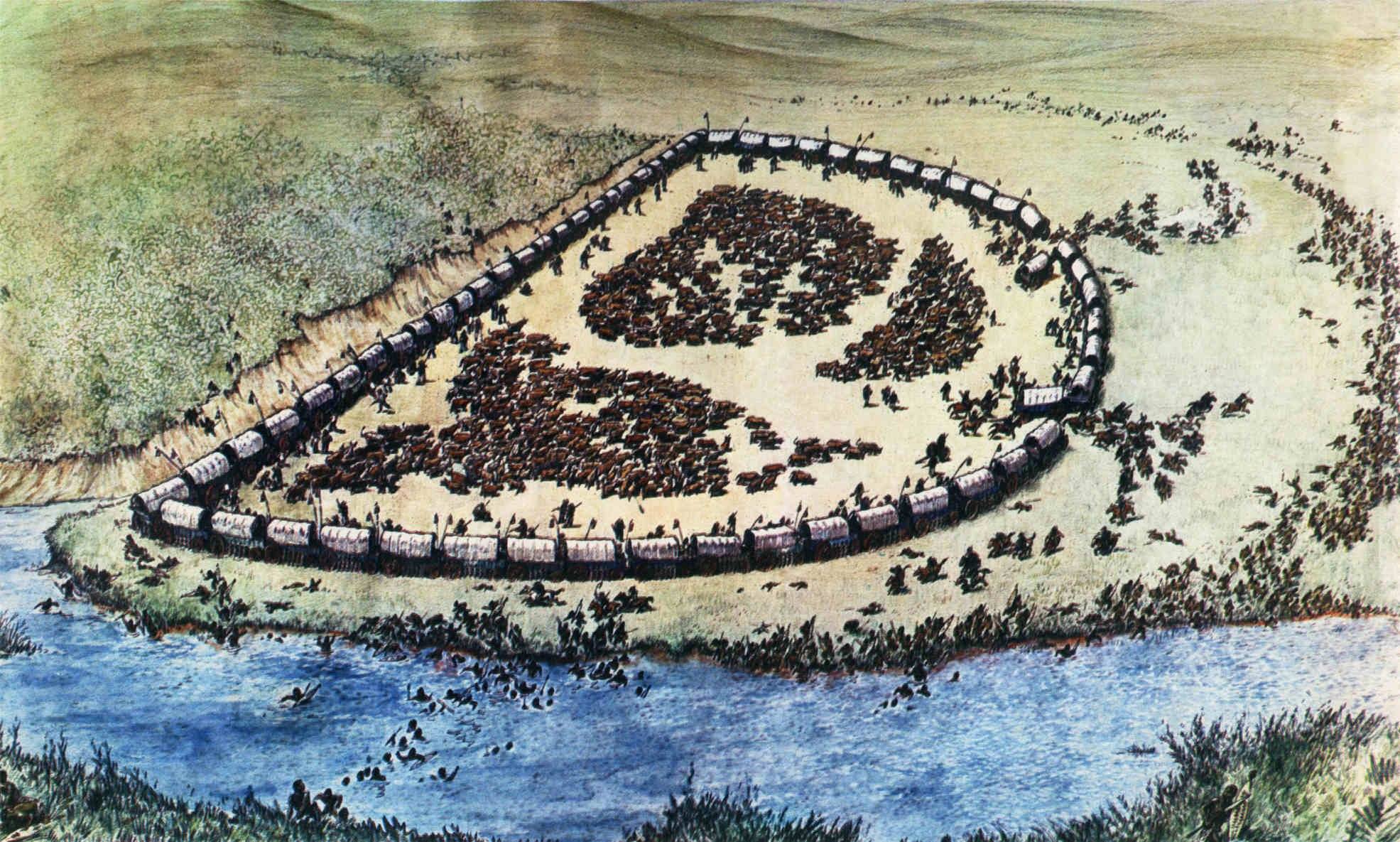
Scouts reported a massive Zulu force approaching. Pretorius chose his position carefully, a bend in the Ncome River protected on two sides by water and a deep donga to the south. 64 wagons were lashed together in a tight circle. Gaps filled with thorn bushes. Two or three cannons positioned. Voortrekker men and the Khoi and black servants who fought with them loaded muskets through the night. Nobody slept.
The Vow of Sarel Cilliers
Every evening from 9 December onwards, Sarel Cilliers, church elder and spiritual leader of the commando, led the men in prayer. They renewed the covenant each night: if God would protect them and give them victory, they would honour this day as a Sabbath, build a church in His name, and tell their children. Pretorius did not order the vow. He asked. The men agreed.
.jpg)
By December 1838, grief had already reached both banks. Retief and his men had died at uMgungundlovu. Voortrekker families had been killed at Bloukrans and Bushman's River. On both sides, the dead were mourned by name.
Pretorius came with 464 armed men, around 200 Khoi and black servants, and 64 wagons. Dingane's commanders, Ndlela kaSompisi and Dambuza, came with thousands of amabutho. Between them, I held the mist.
At dawn, the same water would carry two names: uNcome for one memory, Bloedrivier for another. Today, South Africa observes 16 December as the Day of Reconciliation, a single date held by both memories at once.
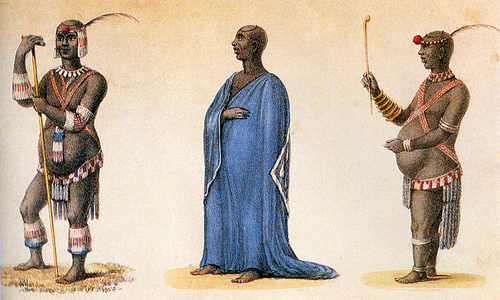
Dingane came to power not through inheritance but through blood. In 1828 he conspired with his half-brother Mhlangana to assassinate Shaka, the warrior king who had built the Zulu nation from a small clan into a regional empire. Once Shaka was dead, Dingane quickly eliminated Mhlangana as well, ensuring sole rule.
Dingane ruled a kingdom still consolidating after Shaka's wars of expansion. He had also watched English traders arrive at Port Natal and seen how unstable that relationship could become; Allen Gardiner had been appointed Justice of the Peace in 1837 with no clear mandate, and the small English community of around 40 men had thrown its weight behind Retief when he reached Natal.
By the time Retief arrived asking to negotiate for land, Dingane's advisors, Ndlela kaSompisi and Dambuza kaSobadli among them, were already weighing what to do about a people who had recently defeated his old enemy Mzilikazi at Vegkop and Mosega, and whose tradition, like Shaka's, was not to tolerate strong neighbours.
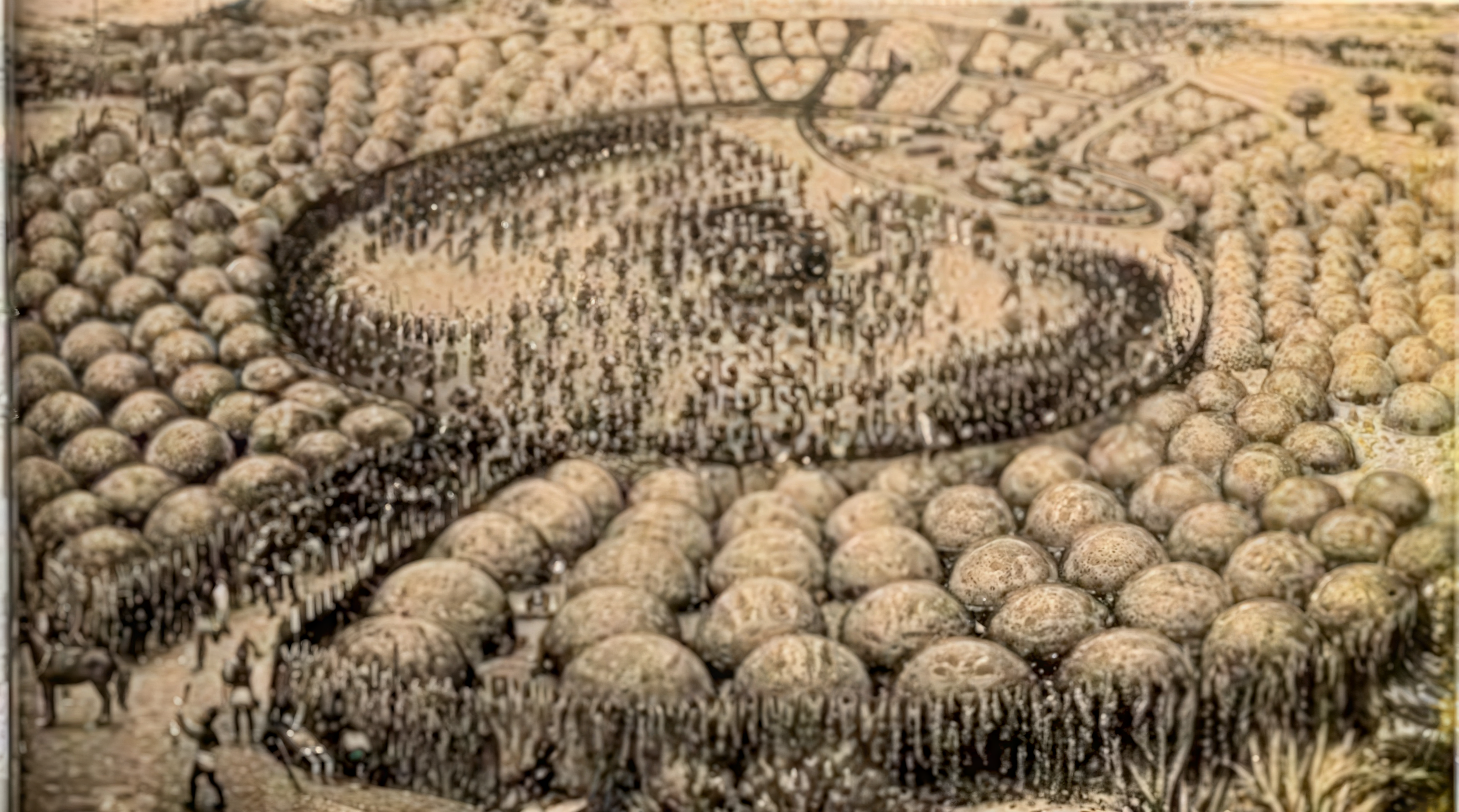
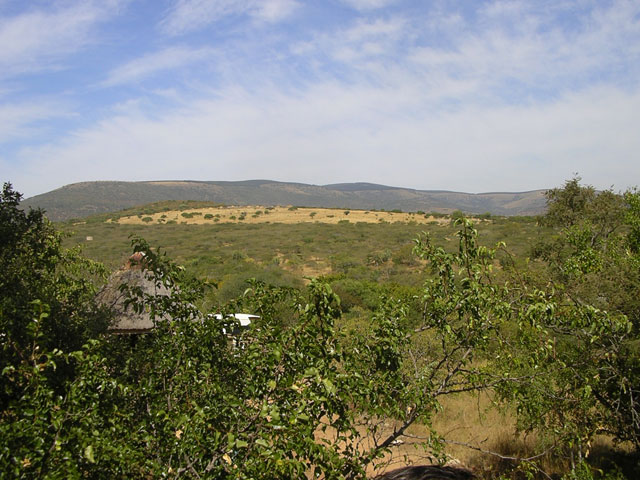
uMgungundlovu, the secret conclave of the elephant, was not merely a village. It was a statement of power. Dingane built it after taking the throne, replacing Shaka's capital with his own vision of Zulu authority.
The settlement contained about 1,700 huts arranged in a vast oval, standing six to eight deep around an open arena known as the large cattle kraal, a space also used for military parades and gatherings. It could house up to 7,000 residents and functioned as Dingane's royal capital, military settlement, and political centre. The great central hut, around 10m in diameter, was supported by 22 posts entirely covered in glass beads, the molten remains of which have since been recovered by archaeologists.
It was here that Piet Retief and his men ate and drank on the morning of 6 February 1838. And it was here that Dingane gave his order. The execution took place on KwaMatiwane, the ridge north-east of the settlement that served as Dingane's execution ground. The skeletal remains of Retief and his men were later recovered there, along with a leather bag reputedly containing the disputed land treaty.
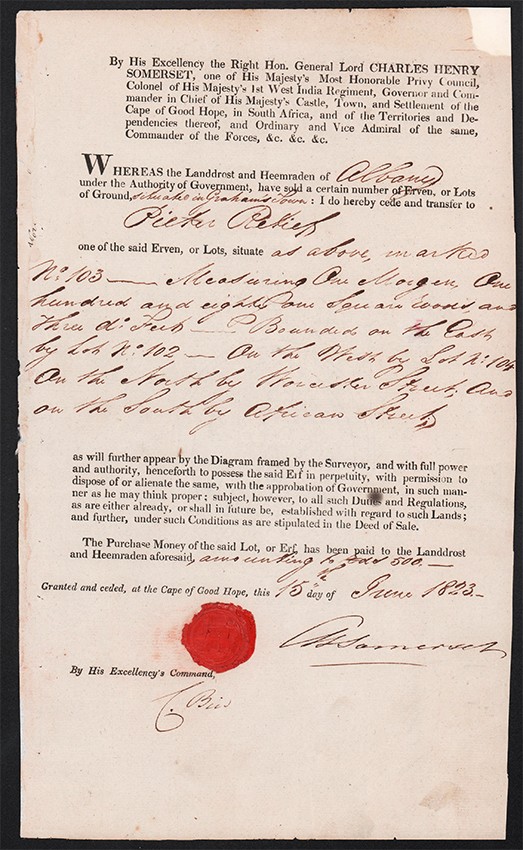
"Know all men by this that Whereas Pieter Retief, Governor of the Dutch Emigrant South Afrikans, has retaken my Cattle which Sikonyela has stolen... I did, with my Council, give him the Place called Port Natal... Dingaan, King of the Zoolas."
The wording above comes from the version published by Voortrekker sources after the battle. The document itself no longer exists. SAHO notes that many historians doubt the deed ever existed in this form. Reports claim the original was lost during the South African War in 1900. Zulu oral tradition holds that no such land grant was ever made, and that Dingane could not have ceded land he understood as belonging not to himself but to the kingdom and its ancestors.
Piet Retief first met Dingane in November 1837. The meeting appeared cordial. Dingane agreed in principle to grant the Voortrekkers land on the condition that Retief recover cattle stolen by the rival chief Sikonyela of the Tlokwa. Retief accepted. He returned to uMgungundlovu on 3 February 1838 with around 700 head of cattle, but refused to hand over the horses and guns he had also taken from Sikonyela. Some historians point to this refusal, alongside reports that Voortrekker parties had already begun moving wagons into the disputed territory, as factors that deepened Dingane's suspicion.
Three days later, Retief was dead. Dingane had put his mark on a land grant document the day after Retief's arrival, and then ordered the execution. Whether Dingane ever intended to honour the agreement, whether the document existed in the form later claimed, and how the Voortrekker presence on the land was understood from each side, remain central historical questions of this event. SAHO notes that many historians doubt the deed ever existed; it certainly does not exist today.
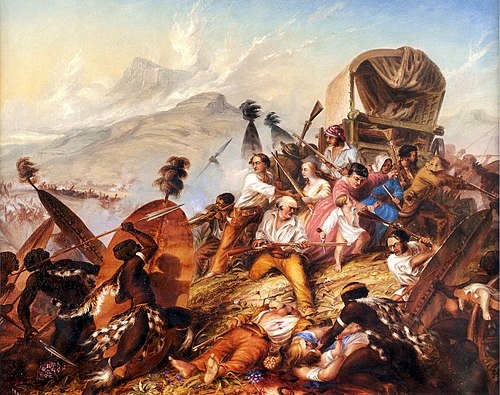
"Bulalani abathakathi!"
Often translated as "Kill the sorcerers." The word abathakathi in Zulu legal and religious context referred to those who used witchcraft against the king or the nation, a charge equivalent in gravity to treason. It was a legal accusation within Dingane's authority, not a battle cry.
The morning of 6 February began with celebration. Retief's men had left their weapons at the gate, standard protocol when entering the presence of the king. The Zulu warriors performed their dances. Beer was passed. The atmosphere was festive.
Then Dingane stood. From the Voortrekker side, this was inexplicable treachery against guests under royal hospitality. From the Zulu side, advisors had reported Voortrekker scouts moving around the kraal at night, a serious offence under Zulu law, and wagons were already crossing into contested land. Whether the order had been planned for days or decided in that moment is still debated. The warriors overpowered the unarmed visitors and took Retief, his son, and his men up to KwaMatiwane hill to be killed. The missionary Francis Owen, stationed at Dingane's kraal, witnessed the executions from a distance and described them in his diary.
What followed at the Voortrekker camps along the Bloukrans and Bushman's rivers eleven days later, in the early hours of 17 February, was worse. Zulu impis killed around 500 of Retief's followers, two-thirds of them women and children, and roughly half of them Khoi and black servants travelling with the trek. The Zulu seized about 25,000 head of cattle along with thousands of sheep and horses. The survivors called the place Weenen, the Afrikaans word for weeping.
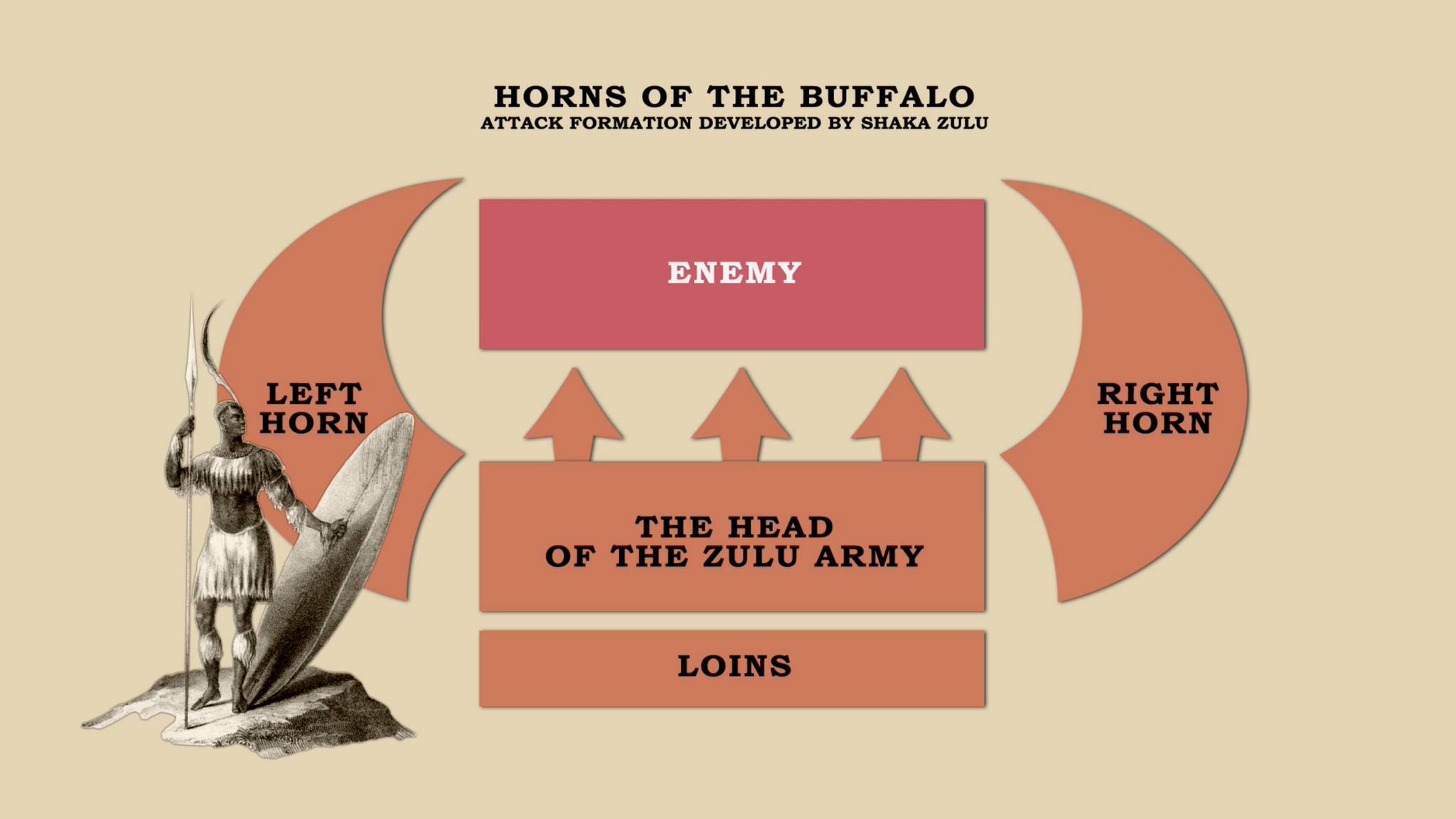
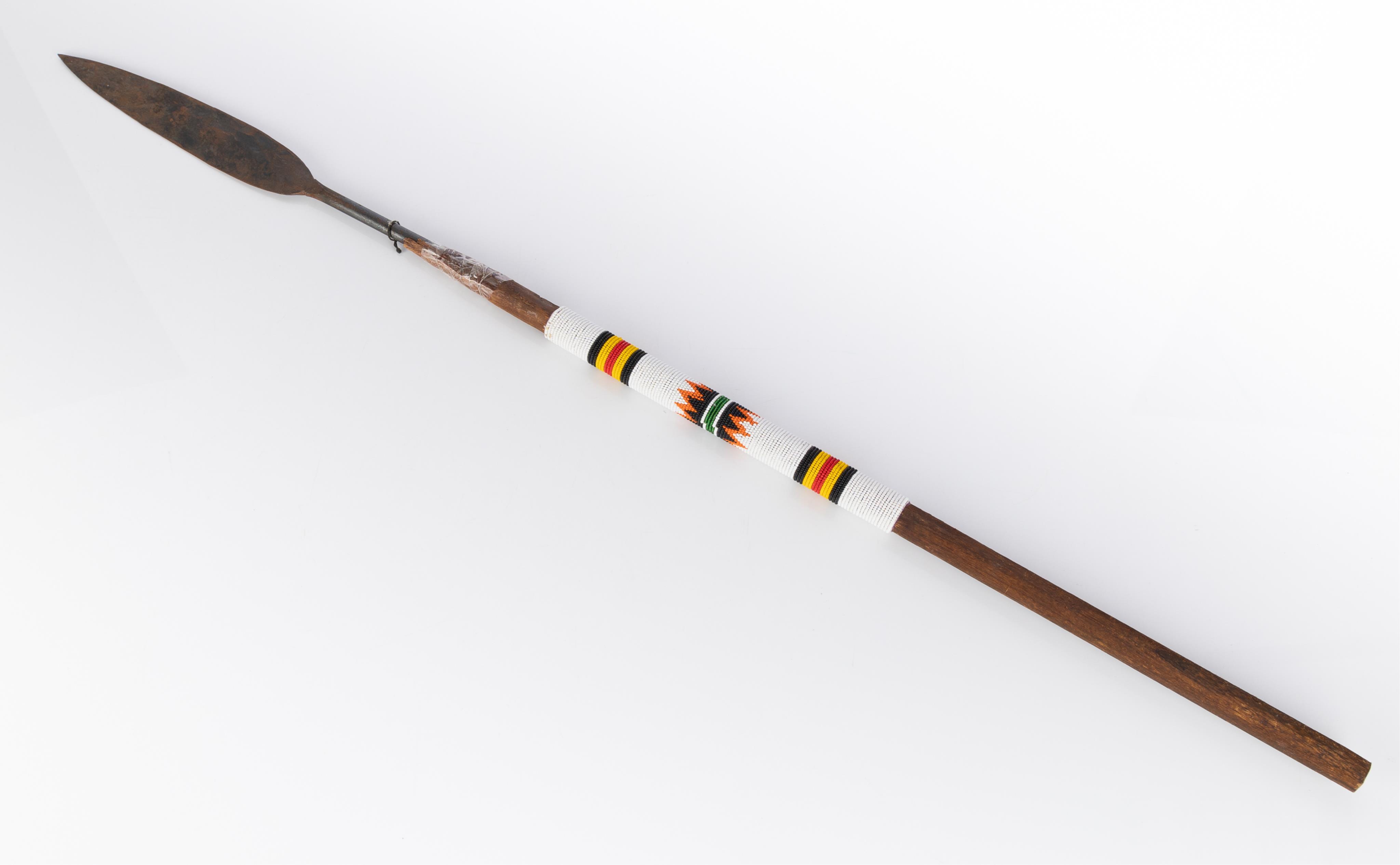
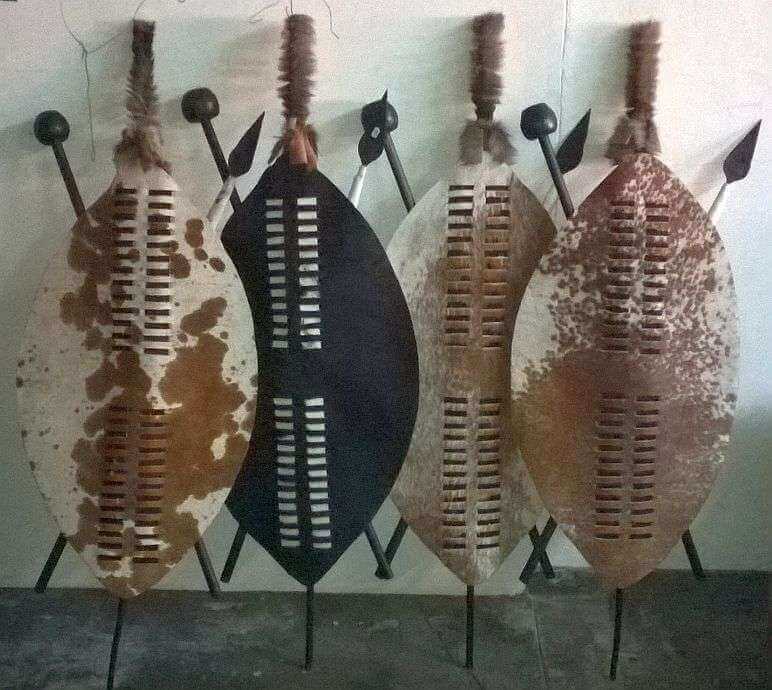
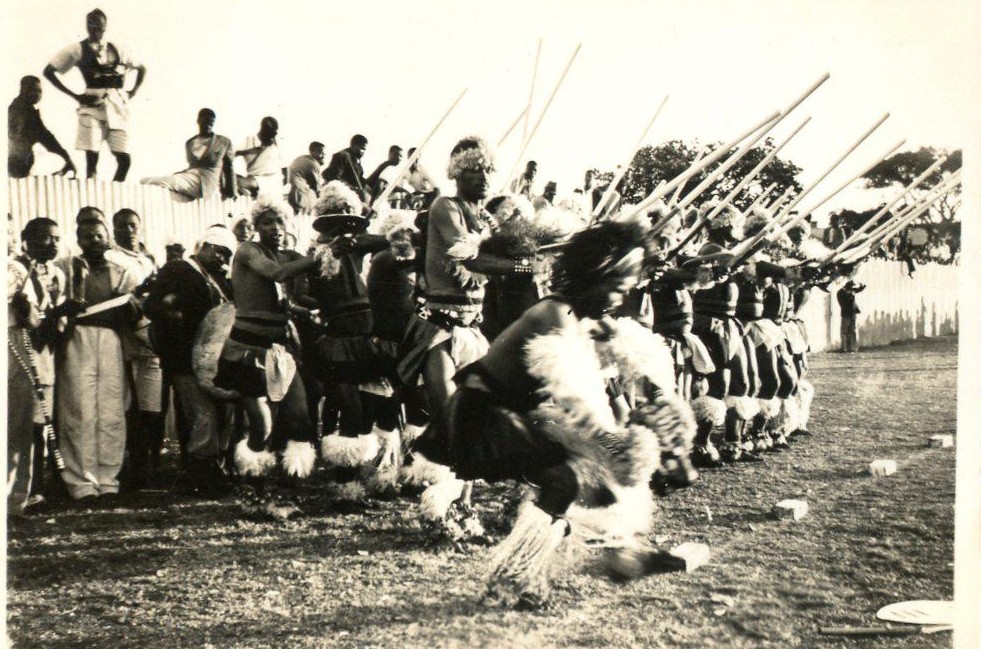
The amabutho were age-based regiments that trained, lived, and fought together. A young man entered his regiment in his teens and remained in it until the king granted him permission to marry, often not until his thirties or forties. War was not merely duty. It was identity.
Against the Voortrekker laager at Ncome, the formation had no answer. There was no flank to encircle. The warriors who reached the wagons first met continuous musket fire and cannon shot, and died first.
The amabutho did not simply attack, they prepared. Before battle, the regiments gathered for hours of ritual: singing, stamping, the chanting of praise to the king, and the ceremonial application of war medicines called intelezi. The purpose was not only spiritual. It was psychological. By the time the warriors advanced, fear had been replaced by a collective identity bound to the king himself. To fight in his name was to fight as the kingdom.
On the morning of 16 December 1838, that preparation gave way to action. The cry of the amabutho rose across the Ncome at first light. Within hours, more than three thousand of them would lie around the laager.
"Wena weNdlovu!"
"You of the elephant!" The elephant was Dingane's royal symbol. The very name uMgungundlovu translates as "the secret conclave of the elephant", invoking the king's authority.
Zulu commanders Ndlela kaSompisi and Dambuza led a large force, estimates range from 10,000 to as high as 25,000 warriors, against a Voortrekker commando of 464 armed men supported by around 200 Khoi and black servants laagered near the Ncome River. The battle began at dawn and was over by midday.
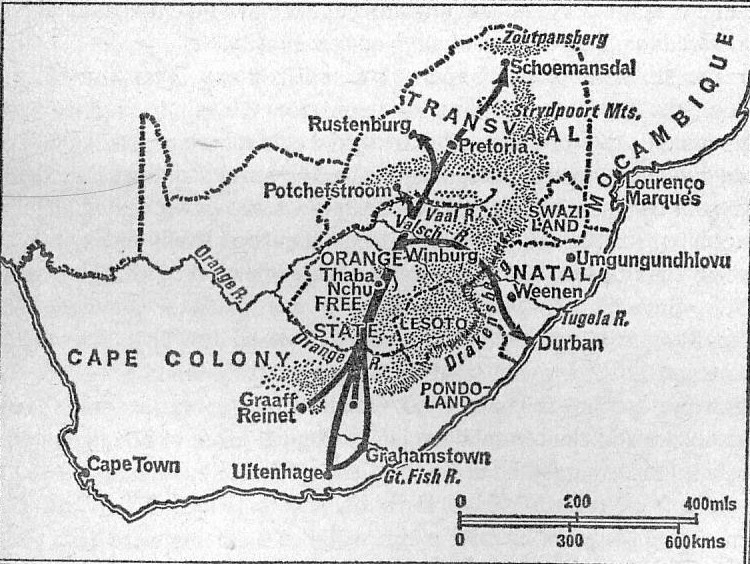
The British took formal control of the Cape Colony in 1806. For the Dutch-speaking farmers who had lived there for generations, the changes that followed were existential. New laws required all court proceedings in English. The emancipation of enslaved people in 1834, and the disputed compensation that followed, wiped out savings built across generations.
The trigger that broke the final attachment was the Sixth Frontier War of 1834–35, when the colonial government signed a peace treaty the Boers considered a betrayal. From 1835 onward, groups of families loaded everything they owned and moved north and east. They crossed the Orange River, the Vaal, the Drakensberg. They were not an army. They were a people in motion, moving toward a promise they believed God had made them.
The lands they crossed were not empty. They moved through territory shaped by the Mfecane upheavals of the previous two decades, and into regions already home to the Sotho, Tswana, Ndebele, and Zulu kingdoms. Some encounters were peaceful. Many were not. By the time they reached Natal, the question of land was no longer abstract.
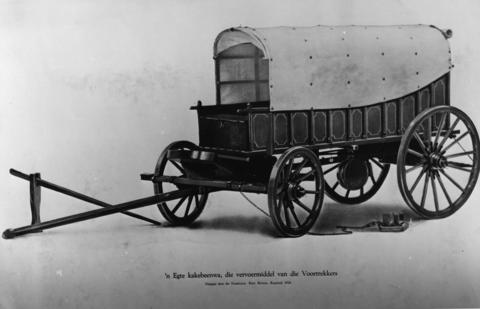
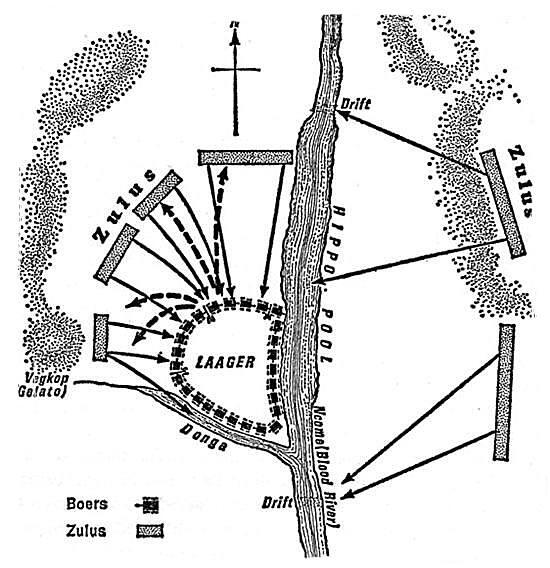
The wagon was not transport. It was home, fortress, church, and coffin, sometimes all in the same week. Inside its walls during battle, the men kept up fire while reloaders behind them, women, older children, and the Khoi and black servants travelling with the trek, kept loaded muskets coming forward at a rate no attacker on foot could absorb.
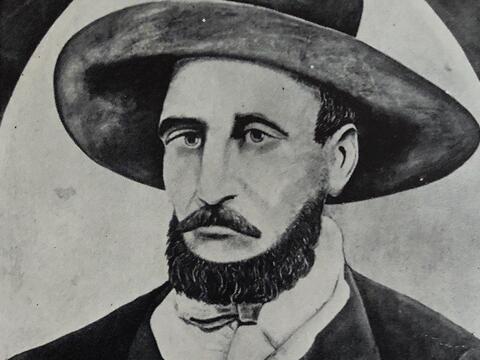
"We are resolved, wherever we go, that we will uphold the just principles of liberty; but whilst we will take care that no one shall be in a state of slavery, it is our determination to maintain such regulations as may suppress crime and preserve proper relations between master and servant."
Published a year before the Trek reached Natal, Retief's manifesto set out the Voortrekkers' stated intent to negotiate peacefully with the peoples they encountered. The "master and servant" framing also signalled that the social hierarchy of the Cape would travel with them. The missionary Francis Owen later recorded warnings to Retief about Dingane's intentions, but the journey continued as planned.
Piet Retief was 57 years old when he led his party over the Drakensberg into Natal. He was not a young man chasing adventure. He was a farmer, a former field commandant, a man who had lost much through drought and frontier conflict.
He rode to uMgungundlovu with around 70 men, leaving his weapons at the gate as Zulu protocol required. He did not come back. The missionary Francis Owen, who had warned the Voortrekkers that Dingane could not be trusted, watched from his hut as Retief and his men were marched up KwaMatiwane.
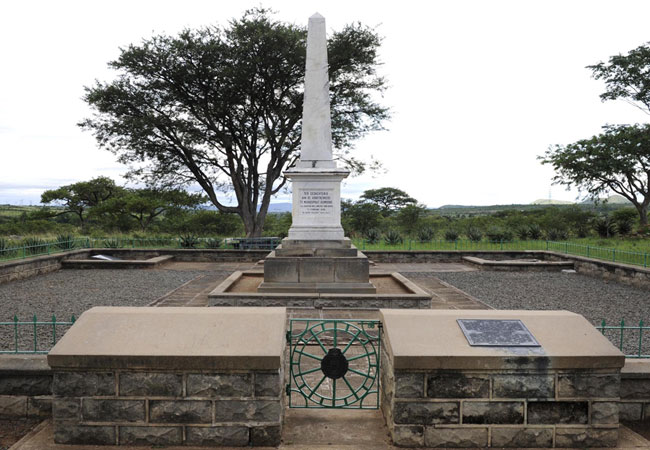
The Voortrekker camps along the Bloukrans and Bushman's rivers had largely disregarded early rumours of Retief's death, and made few defensive preparations. In the early hours of 17 February 1838, Zulu impis attacked the unsuspecting laagers. Around 500 of Retief's followers were killed, two-thirds of them women and children, and roughly half of them Khoi and black servants travelling with the trek. The Zulu seized about 25,000 cattle along with thousands of sheep and horses.
The site was renamed Weenen, the Dutch and Afrikaans word for weeping. The survivors could turn back to the Cape, or they could wait for someone capable of taking the fight back to Dingane. They waited.
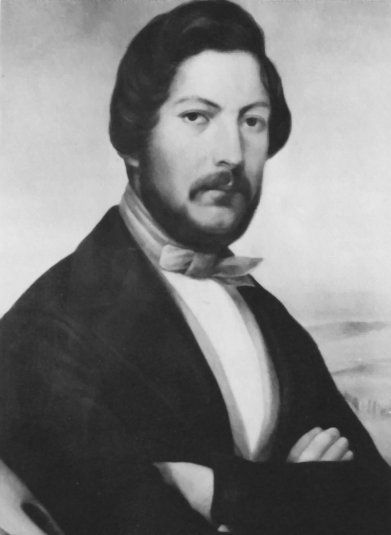
Andries Pretorius arrived from Graaff-Reinet, and on 25 November 1838 took over leadership as Commandant-General of the Voortrekkers in Natal. He immediately reorganised the commando and began preparing a retaliatory advance against the Zulu kingdom. The force that set out comprised 464 armed Voortrekkers, around 200 Khoi and black servants who fought and reloaded alongside them, the English trader Alexander Biggar with a group of Christianised Zulu and Coloured fighters, 64 wagons, and two or three cannons.
On Sunday 9 December, at a tributary of the Ncome, Pretorius and his followers made a vow to God that, in the event of victory, they would build a church to honour Him and commemorate the day as a Sabbath. Sarel Cilliers, the spiritual leader of the commando, led the prayers. The vow was repeated each evening until the battle. Some recent research has questioned the original form and the early observance of the vow, since the day was not commemorated as a thanksgiving in the years immediately following the battle, though the church was eventually built in Pietermaritzburg in 1841.
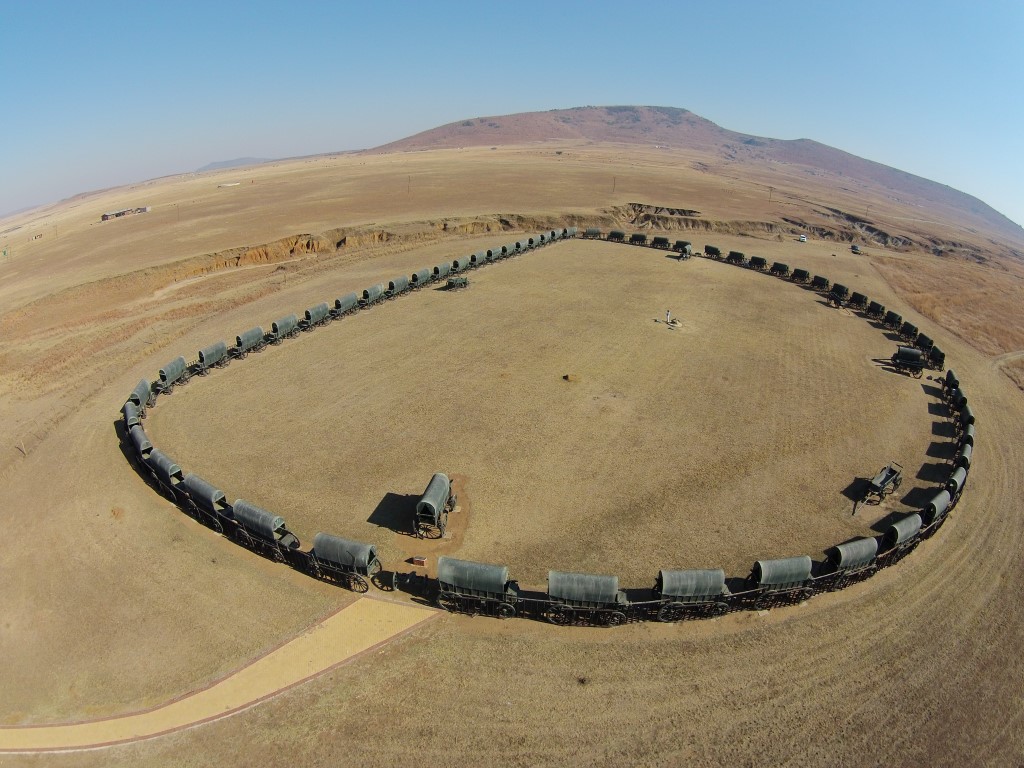
Pretorius had chosen the site carefully, the best strategic position available, with a deep pool in the river on one flank and a donga on the other. The wagons were lashed together with only two gaps in the circle, a cannon placed at each. The scouts came in during the afternoon of the 15th: a large Zulu force was close. By dusk, the Amazulu had already begun to circle the laager. The men worked through the night. A heavy mist settled so thickly that neither side could see the other clearly until first light, when the Zulu warriors, armed with iklwa and isihlangu, swept forward toward the wagons.
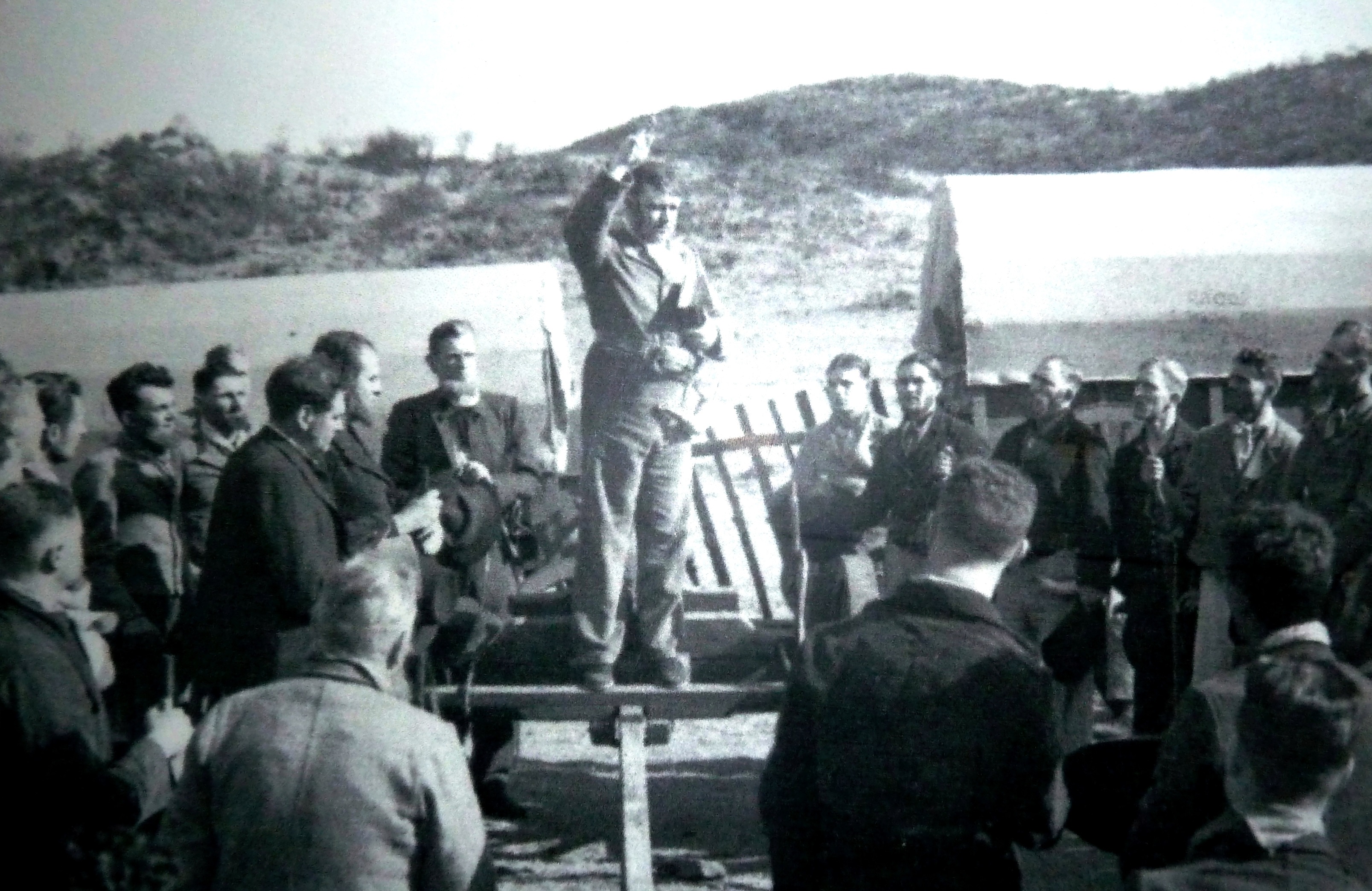
The vow was not a war chant. It was a covenant, a binding agreement between the commando and God. Faced with a force that vastly outnumbered them and the recent memory of Retief's execution and the killings at Weenen, the men needed something more than tactics. They needed a moral framework for the violence they were about to commit, and a way to remember it afterwards. Sarel Cilliers, the spiritual leader of the commando, gave them both.
The vow promised three things: that if God granted victory, the day would be kept as a Sabbath every year, that a church would be built in His name, and that the story would be told to their children. Pretorius did not order it. He proposed it on Sunday 9 December at a tributary of the Ncome, and asked who would take it. The men agreed. The vow was renewed each evening until the battle.
"Hier staan ons voor die heilige God van hemel en aarde om 'n gelofte aan Hom te doen, dat as Hy ons sal beskerm en ons vyand in ons hand sal gee, ons die dag en datum elke jaar as 'n dankdag soos 'n Sabbat sal deurbring..."
"Here we stand before the holy God of heaven and earth, to make a vow to Him, that if He will protect us and deliver our enemy into our hand, we shall keep this day and date every year as a day of thanksgiving like a Sabbath, and that we shall erect a house to His honour wherever it shall please Him..."
The substance of the vow is recorded in Voortrekker primary sources including Sarel Cilliers' own memoir and the journal of Pretorius' secretary J.G. Bantjes. The Afrikaans text above is the modernised standard version, since Afrikaans itself was not yet codified in 1838; the original would have been spoken in early Cape Dutch. SAHO notes that recent research has questioned whether the day was originally observed as a thanksgiving, since it does not appear to have been commemorated in the years immediately following the battle.
The day was later observed as Dingane's Day, then as the Day of the Vow under apartheid. Since 1995, 16 December has been observed by the Republic of South Africa as the Day of Reconciliation, a single date held by both memories at once.
16 DECEMBER 1838
"Before the sun had fully risen, mist lay low above my water. From where I moved through the valley, I witnessed people gathering on both sides, waiting in a silence that would not last."
The night before
"By the light of fires, the Trekkers chained sixty-four wagons into a circle on my western bank. They lashed thorn branches between the wheels. They prayed aloud. They were 470 men, and they expected, by morning, to die."
Dawn
"The mist on my surface lifted, and the Trekkers saw what the night had hidden. The hills behind my eastern bank were black with men. Twenty thousand Zulu warriors stood in formation, the buffalo-horn ready to close around the laager."
The charge
"They came in waves. Spears raised, shields high, war-cry rising over my water. They reached the wagons and were met with rifles and three small cannons. They fell, and another wave came. They fell, and another wave came again."
THE WATER TURNS
"My current ran red that morning. Not poetry, fact. So many of the dead and dying lay in my shallows that the men who would survive remembered me, ever after, by the colour of what I carried."
Three hours later
"By mid-morning it was over. More than three thousand Zulu lay dead along my banks. Three Trekkers were lightly wounded. None had died. The vow they had made before the battle, to build a church, to keep the day holy, was now a debt to be paid."
The River Witnessed
"As the morning opened, I had reflected movement, fear, and confusion along my banks. What had been stillness became noise, smoke, and the violence of people against people."
The River Remembered
"When it was over, I continued to flow as I always had, yet the memory of that day remained at my edge, carried not in my name, but in what the people would remember here."
I remember the day they called Blood. But blood is the shortest part of any story I carry.
"They called me Bloedrivier. I was already uNcome, a name given long before that morning. A name does not change what flows beneath it."
"What follows is not one history. It is two, held in the same water, told from opposite banks, for nearly two hundred years."
What Remained
After Blood
The battle ended in one morning. Its meaning travelled into new wars, new borders, new monuments and, eventually, a national attempt at reconciliation.
Life Continues Beside the River
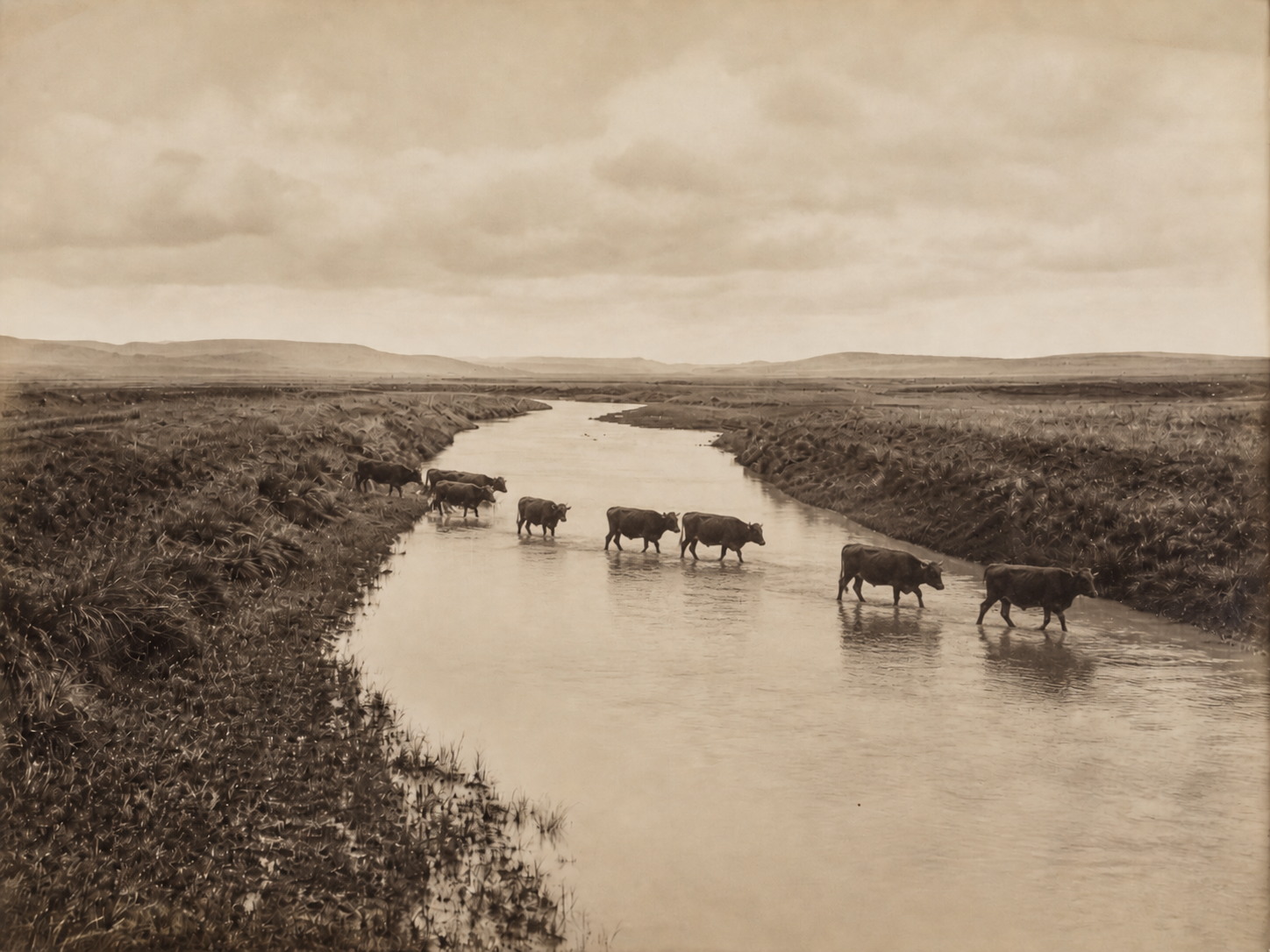
Ten years after the battle, uNcome is still more than a battlefield. Cattle still cross the shallow drifts. Homesteads still hold memory through spoken stories, names, and family grief. The Zulu kingdom is weakened by internal conflict after Dingane, but the river remains part of everyday life, not only a place of defeat.
Leaving Natal Again
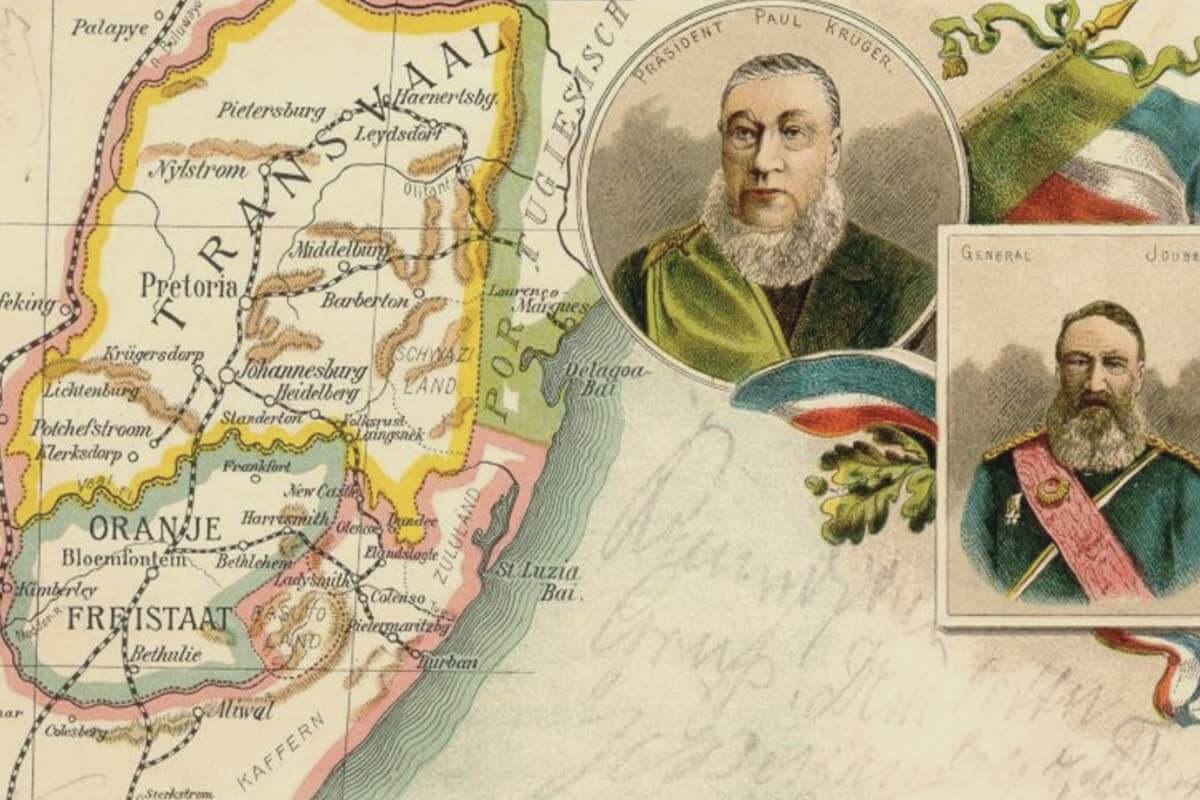
The victory at Blood River did not secure Natal for long. The Voortrekkers founded the Republic of Natalia in 1839, but Britain annexed Natal in 1843. Many refused to live under British rule and moved back over the Drakensberg toward the interior Highveld, where the Transvaal and Orange Free State would later take shape.
The Kingdom Falls
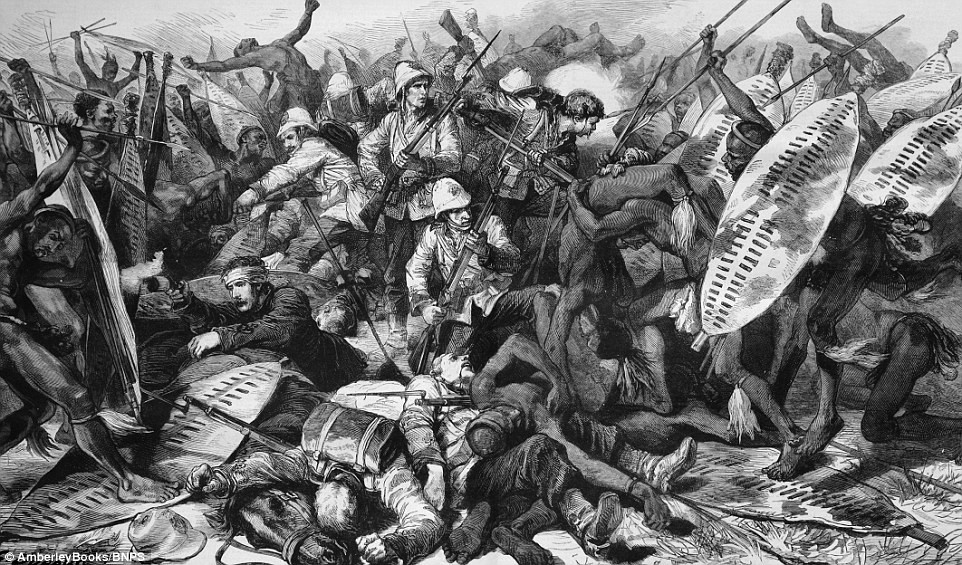
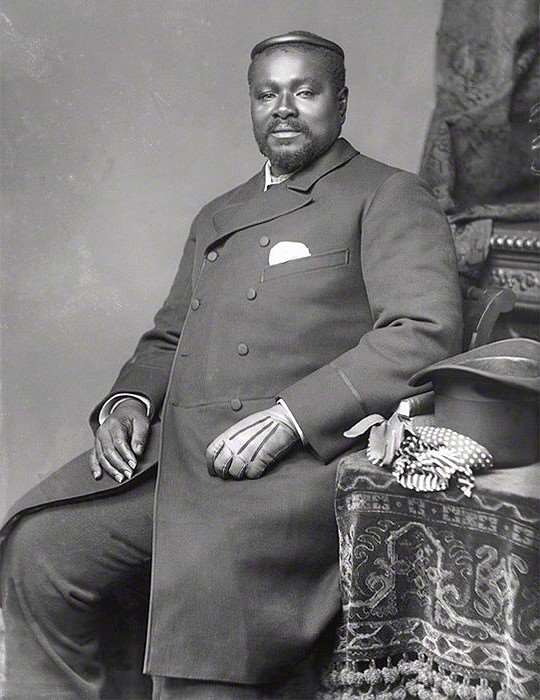
Forty-one years after Blood River, the Zulu kingdom faces a larger imperial force. In 1879, the Anglo-Zulu War brings British invasion. The Zulu victory at Isandlwana on 22 January shocks the empire, but the war ends with British victory at Ulundi on 4 July. King Cetshwayo is captured. Zululand is divided into thirteen chieftaincies, weakened, and placed under colonial pressure.
Away From Natal
While the Zulu kingdom is drawn into war with Britain, many Voortrekker communities are no longer focused on Natal. They have moved inland, forming republics and settlements across the Highveld. Their memory of Blood River travels with them, becoming part of a larger story of independence, land, and survival.
A Century of Two Calendars
One side built monuments.
The other inherited silence.
Then the calendar itself was contested.
Authority Under Pressure
After 1879, Zulu political power is no longer organised as it had been under Shaka, Dingane, Mpande, and Cetshwayo. The kingdom is divided, its leadership is contested, and land is increasingly shaped by colonial boundaries. Zululand is annexed to Natal in 1887. Zulu memory continues, but now under a different kind of pressure: administration, taxation, mission records, and colonial rule.
1902
The British Enemy Returns
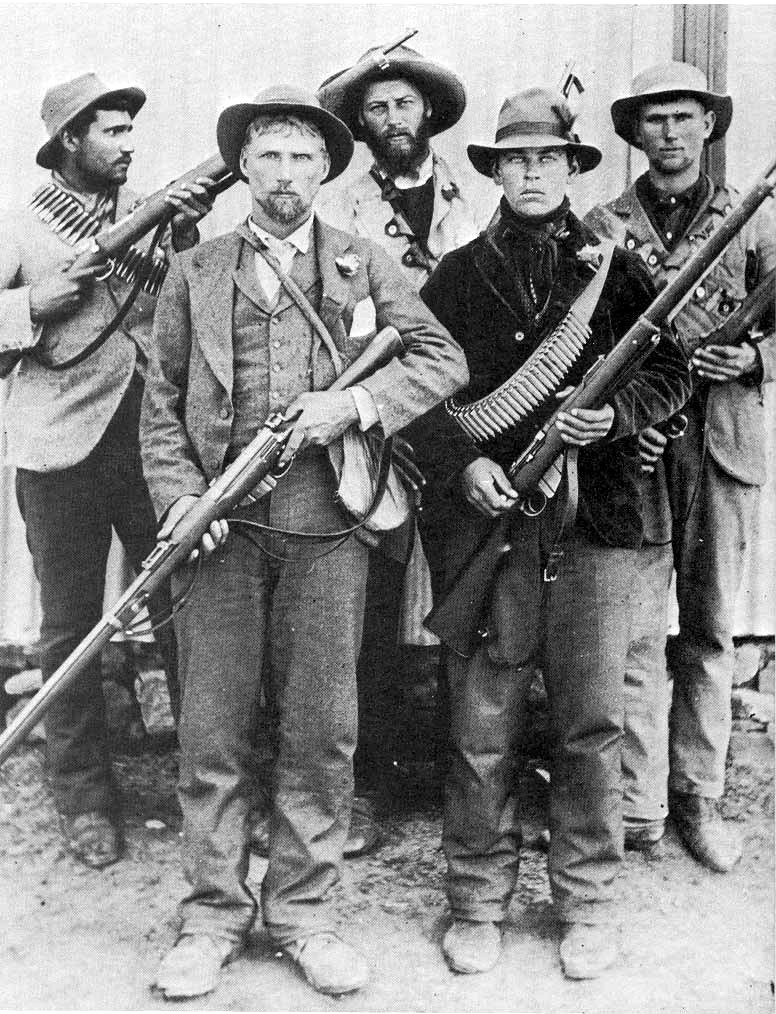
The descendants of the Voortrekkers now face Britain directly. The First Anglo-Boer War of 1880–1881 strengthens the idea of Boer independence. The Second Anglo-Boer War of 1899–1902 is far more destructive, ending with British victory and the loss of the Boer republics. The memory of the Trek, the Vow, and Blood River becomes even more important as a story of suffering and endurance.
Remembered Outside the Monument
A century after the battle, the official commemoration belongs mainly to Afrikaner memory. For Zulu communities, the day is also remembered as loss, but that grief is not given the same national platform. It remains in oral history, family story, place names, and local knowledge rather than in granite, ceremonies, and state-backed monuments.
1949
The Trek Becomes Stone
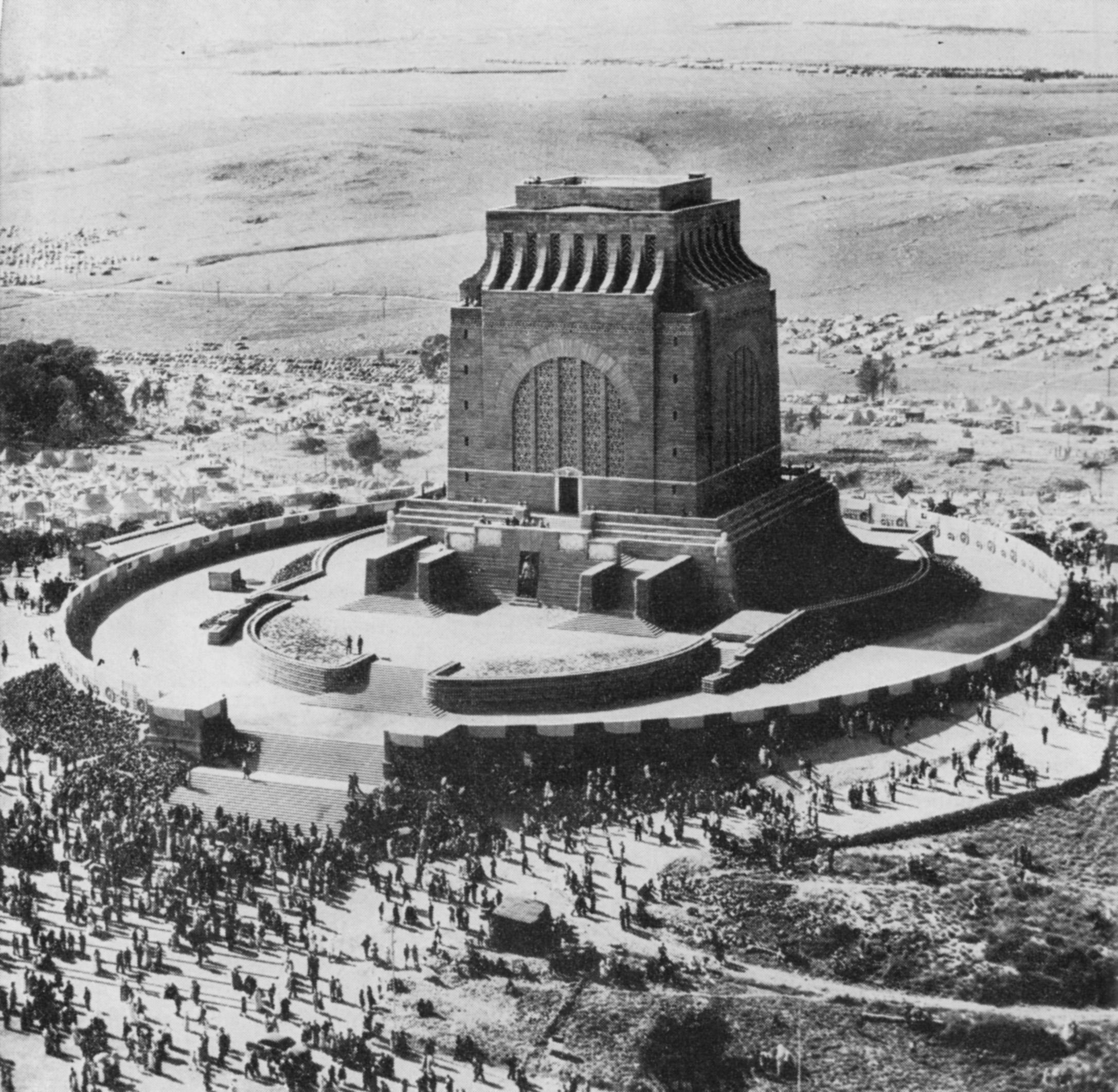
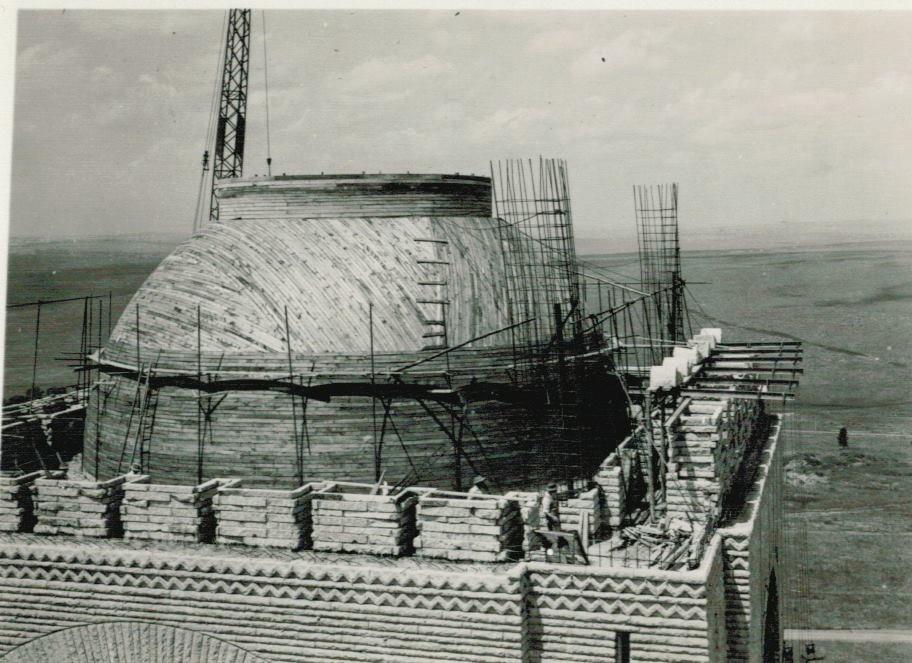
On 16 December 1938, a hundred years after the battle, descendants of Voortrekker leaders lay the cornerstone of the Voortrekker Monument in Pretoria, hundreds of kilometres from the river itself. The monument is opened on 16 December 1949 by Prime Minister D.F. Malan. It does not fulfil the original church promise of the Vow, that belonged to the Church of the Vow, completed in Pietermaritzburg in 1841. What it does is turn the Great Trek and Blood River into a powerful national symbol of Afrikaner identity.
One Day, Two Memories, One Country
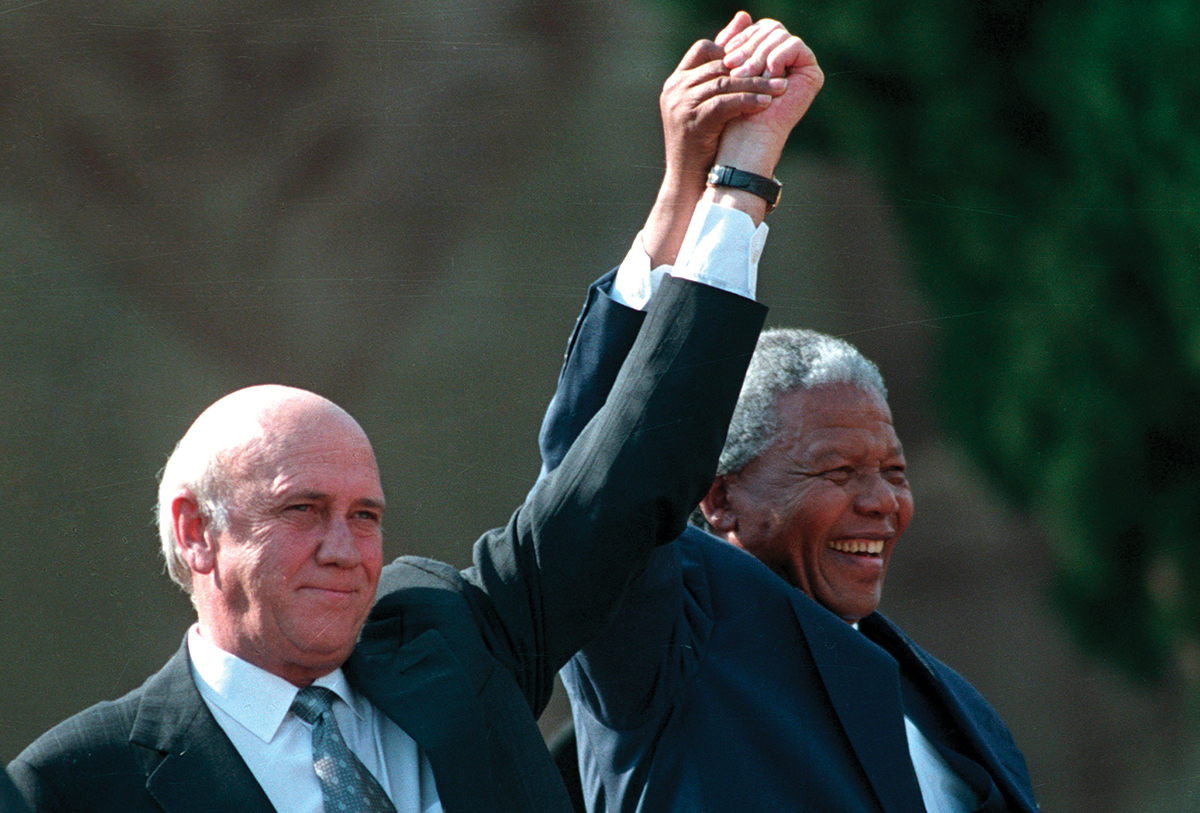
Eighteen months after South Africa's first democratic election, 16 December was renamed the Day of Reconciliation. The date was chosen deliberately not to erase what happened, but because it had already happened on both sides. For the first time in 157 years, the country's calendar admitted there had been more than one community on the river that morning.
“The past must be known, not out of vengeance, but so that we can move into the future together.”
The Other Bank Speaks
On 16 December 1998, the 160th anniversary of the battle, the Ncome Monument is inaugurated on the eastern side of the river, designed in the shape of the Zulu war horn formation. Mangosuthu Buthelezi, then Minister of Home Affairs, gives the address and apologises on behalf of the Zulu nation for the death of Piet Retief. The full Ncome Museum opens the following year, in 1999, as part of the National Legacy Project. For the first time, the Zulu side of the story has a formal public space at the site itself.
1999
The Laager, No Longer Alone
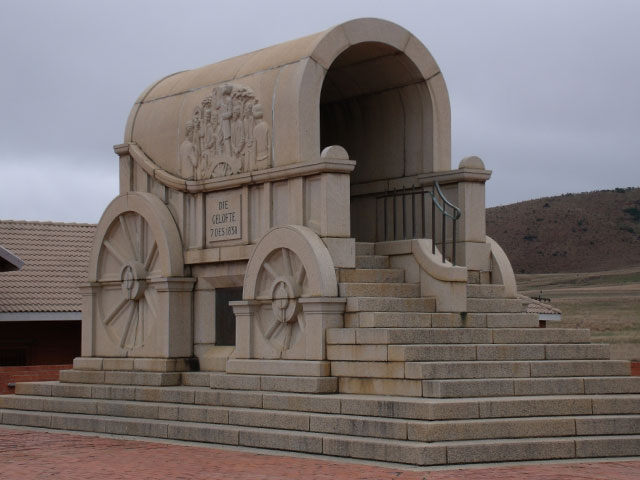
The western bank has held memory in layers. A stone cairn raised on 16 December 1866. A granite ox-wagon by Coert Steynberg, completed 1939 and unveiled in 1947 after the war. The full laager, 64 wrought-iron wagons clad in bronze, modelled on the centenary replica from 1938, was unveiled on 16 December 1971 by Prime Minister B.J. Vorster. For most of the 20th century, this accumulating shrine was the only telling. From 16 December 1998, it was no longer alone. A second monument now faced it across the river. The Voortrekker memory was not erased; the space around it was changed. The site became a conversation between two histories.
I did not keep only one memory. One bank carried a vow into stone. The other carried loss through silence, survival, and return. Both still face me and I am still the same water.
 ChatGPT AI
The Old Name, the Old Drifts
The river kept its name on our tongues, even when their maps gave it another. The drift is still where our grandfathers crossed.
The river's voice, composite narrationThe Zulu name uNcome means roughly "the river that was made pleasant", the river that soothes, that cools, that grazes cattle along its banks. It was a working name for a working river, used long before the events of 16 December 1838.
The name did not vanish in 1838. It survived in Zulu households, in stories, in the way people gave directions, in the way grandmothers spoke about the country their grandchildren would inherit. What the colonial record erased from official documents, oral tradition kept whole.
But the renaming was not nothing. Maps shape what gets remembered. To call the river Bloedrivier is to centre the morning of the battle in every reference to the water. To call it uNcome is to remember that the river existed before the battle, would exist after it, and was never only the property of one morning's violence.
Both names are still in use today. Which one you reach for depends entirely on which bank you stand on.
The Country Being Renamed
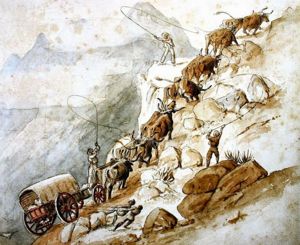
By the mid-1840s, Boer farmers had returned to the river valley in numbers, this time with ploughs, livestock, surveyors, and title deeds. After Britain annexed Natal in 1843, many refused to live under British rule and moved back over the Drakensberg toward the interior Highveld, where the Transvaal and Orange Free State would later take shape.
The land was not empty. Zulu communities had grazed and cultivated this region for generations. Voortrekker farms enclosed land that had been used in common, a structural displacement that would repeat across South Africa for the next century.
The name Bloedrivier was not casual. It rooted the western settlement in the moral weight of the battle: this is the land we won, this is the river that delivered us, and the name is the permanent record of both. The naming was not a wound to be healed; it was a flag to be kept flying.
To stand on the western bank in this period was to see a country being renamed in real time, and to feel that renaming as a sacred act of belonging.
From Isandlwana to Ulundi
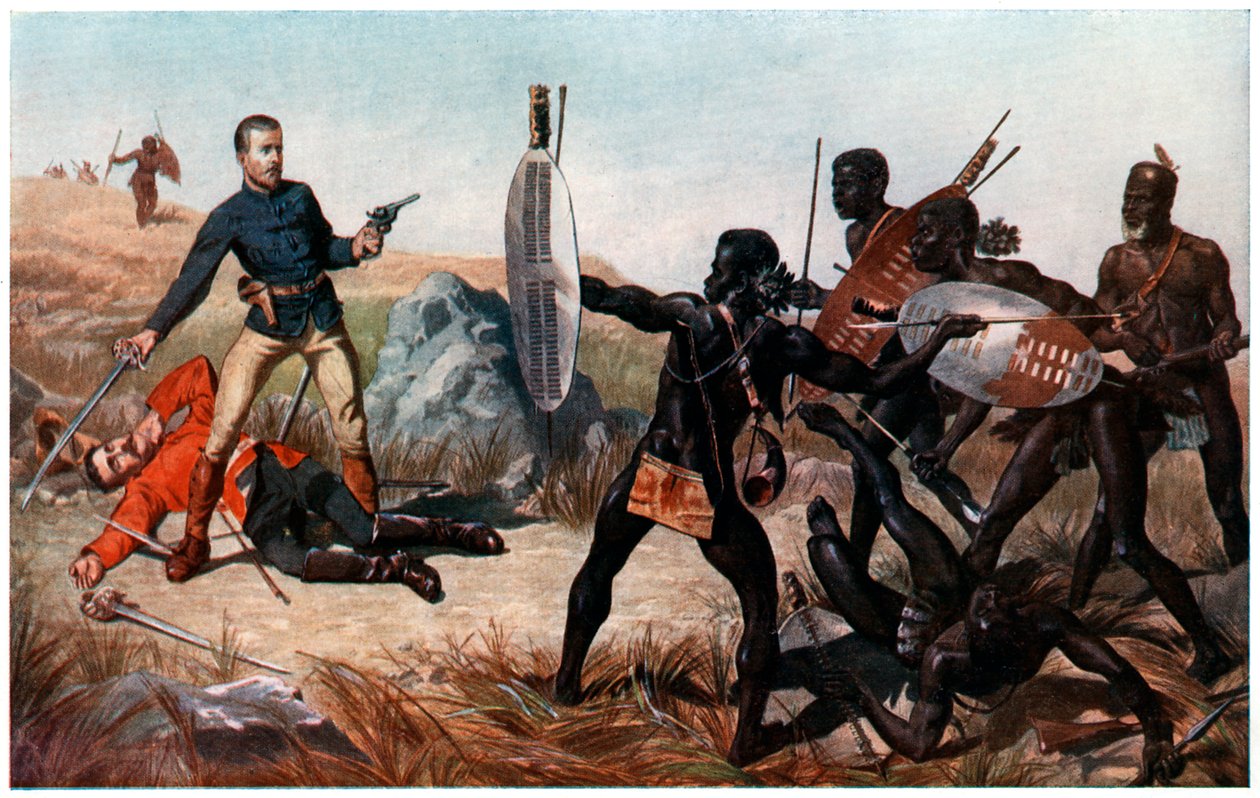
In December 1878, British High Commissioner Sir Bartle Frere issued an ultimatum to King Cetshwayo designed to be impossible to satisfy. When it was refused, British troops under Lord Chelmsford crossed the Buffalo River at Rorke's Drift on 11 January 1879, beginning the Anglo-Zulu War.
On 22 January, a Zulu army of around 20,000 attacked an unprepared British camp at Isandlwana. The British central column was annihilated, one of the worst defeats in British colonial military history. The same evening, a Zulu force attempted to overrun the small mission station at Rorke's Drift, where roughly 150 British troops held out through the night.
The British government responded with full-scale reinforcement. After defeats at Hlobane and victories at Khambula and Gingindlovu, Chelmsford's reorganised army reached the Zulu capital. On 4 July 1879, the Battle of Ulundi ended the war. King Cetshwayo was captured in August and exiled to Cape Town. Zululand was divided into thirteen autonomous chieftaincies and, by 1887, formally annexed to Natal.
The Zulu kingdom that had stood on the eastern bank of the Ncome in 1838 no longer existed as a sovereign state. The river ran on; the political landscape that had shaped it had been rewritten.
A Memory That Travelled Inland
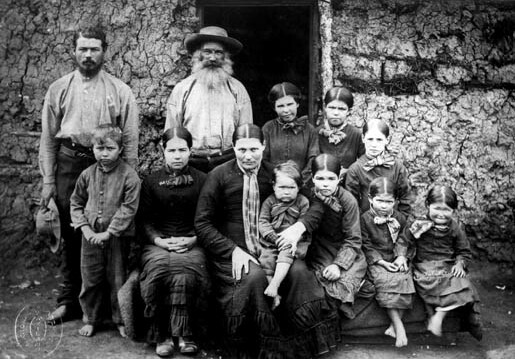
By the time British troops crossed the Buffalo River into Zululand in 1879, many Voortrekker communities had been gone from Natal for over thirty years. The Republic of Natalia had collapsed under British annexation in 1843. The trek had continued, over the Drakensberg, into the Highveld, into what would become the Transvaal and Orange Free State.
The memory of Blood River travelled with them. December 16 was already an annual day of thanksgiving in many Afrikaner communities. The story of the laager, the prayer, and the deliverance was told and retold, a founding myth of survival, identity, and divine sanction.
While Britain fought the Zulu kingdom on the east, the inland republics watched closely. Britain had already annexed the Transvaal in 1877. The next decades would bring two wars between the British Empire and the Boer republics, and the memory of 1838 would be reshaped again, this time as a story not just of survival, but of resistance.
The Silence That Was Not Chosen
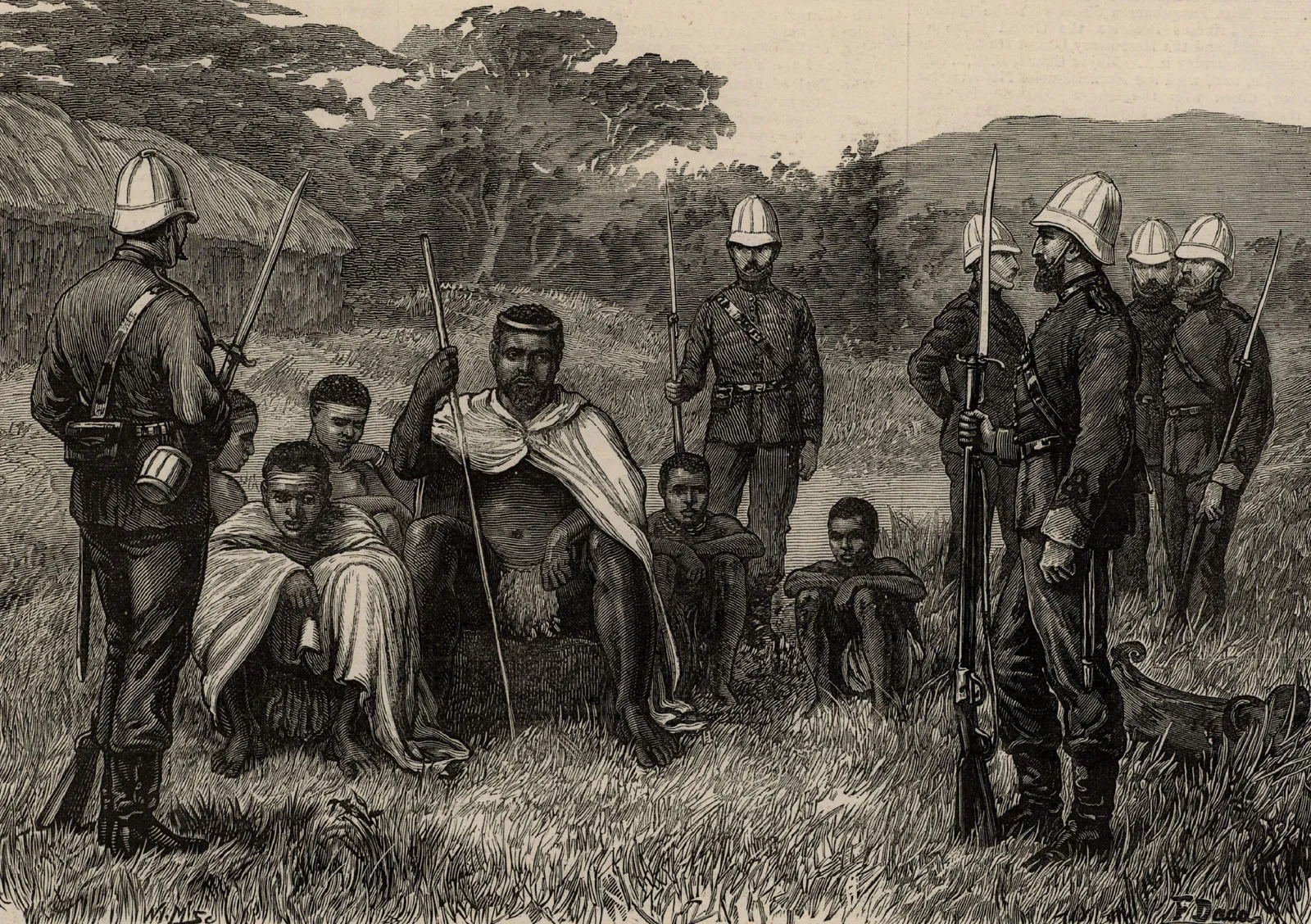
By the 1880s, Zulu political authority was no longer organised as it had been under Shaka, Dingane, Mpande, or Cetshwayo. The kingdom had been divided into thirteen chieftaincies, then split further by civil conflict among rival claimants. In 1887, Zululand was formally annexed to the British colony of Natal. In 1897, Natal absorbed the territory completely.
Zulu mourning of December 16 happened. It just did not happen on the country's official record. Colonial historiography did not transcribe Zulu oral tradition. Missionary accounts filtered Zulu grief through the assumptions of their age and their allegiances. The Zulu dead at Ncome had no marble monument, no annual public commemoration, no entry in the colony's calendar.
The silence was not the silence of forgetting. It was the silence of being unable to inscribe, of having one's grief refused entry into the public record of the country one's people had lived in for generations. The mourning was real. The recognition of it was, for nearly 160 years, almost entirely absent from official commemoration.
The British Enemy Returns
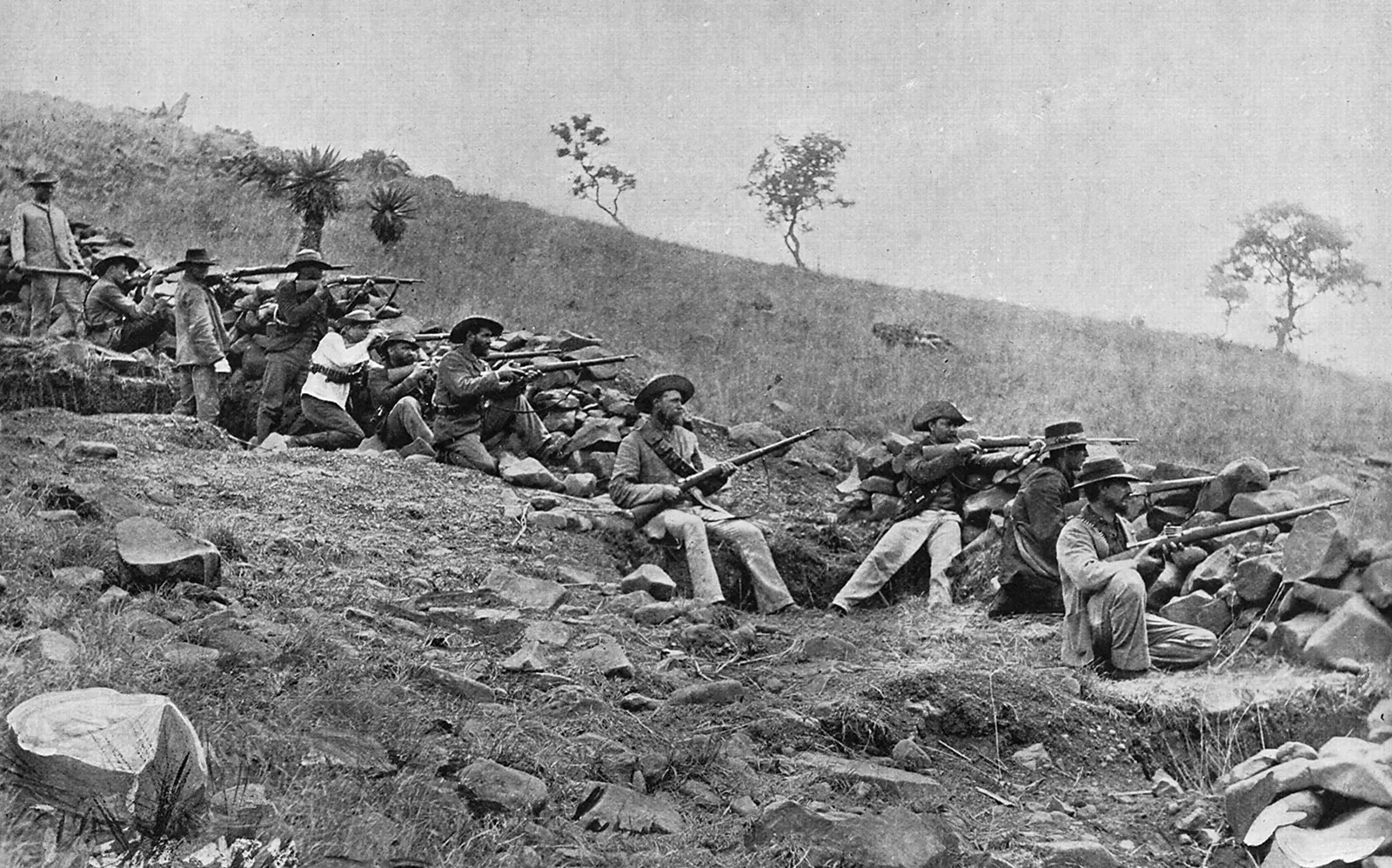
Britain's annexation of the Transvaal in 1877 was rejected by the Boers. Armed resistance broke out in late 1880. Boer victories at Laing's Nek and Majuba Hill forced Britain to recognise Transvaal's independence in 1881. The First Anglo-Boer War was short, sharp, and a Boer victory.
The Second Anglo-Boer War, from 1899 to 1902, was something else entirely. After Britain's earlier setbacks and the discovery of gold on the Witwatersrand, both sides escalated. The war became one of the most destructive conflicts in southern African history. Britain introduced concentration camps in which tens of thousands of Boer women and children, and a comparable number of Black South Africans held in separate camps, died of disease and starvation.
By the Treaty of Vereeniging in 1902, the Boer republics were lost. But the cultural memory of suffering, endurance, and divine sanction was deepened. The Trek, the Vow, and Blood River became more important, not less, knit into a story of a people tested in fire and refusing to disappear. That story would be carried forward into the next century, where it would be turned into stone in Pretoria.
A Celebration Not for Everyone
The 1938 Eeufees was the largest mass mobilisation of Afrikaner cultural identity in South African history to that point. Nine ox-wagons retraced the Great Trek routes from Cape Town to Pretoria. At each stopping point, communities gathered in their tens of thousands, bearded men, women in traditional kappies, children told they were witnessing the rebirth of a nation.
For Black South Africans, and specifically for Zulu communities whose ancestors had fought and died at Ncome, this spectacle was not heritage. It was a celebration of their subjugation, dressed as historical commemoration. They watched from outside the frame of a story told entirely from one point of view. The road through their districts was theirs to clear, not to walk.
Ten years later, in 1948, the National Party came to power on a platform of apartheid. The connection between the myth of 1838, the mobilisation of 1938, and the policy of 1948 was not accidental. The Eeufees had done its political work, uniting a constituency around a founding story that did not include the people on whose land that story had been set.
Monument and Myth
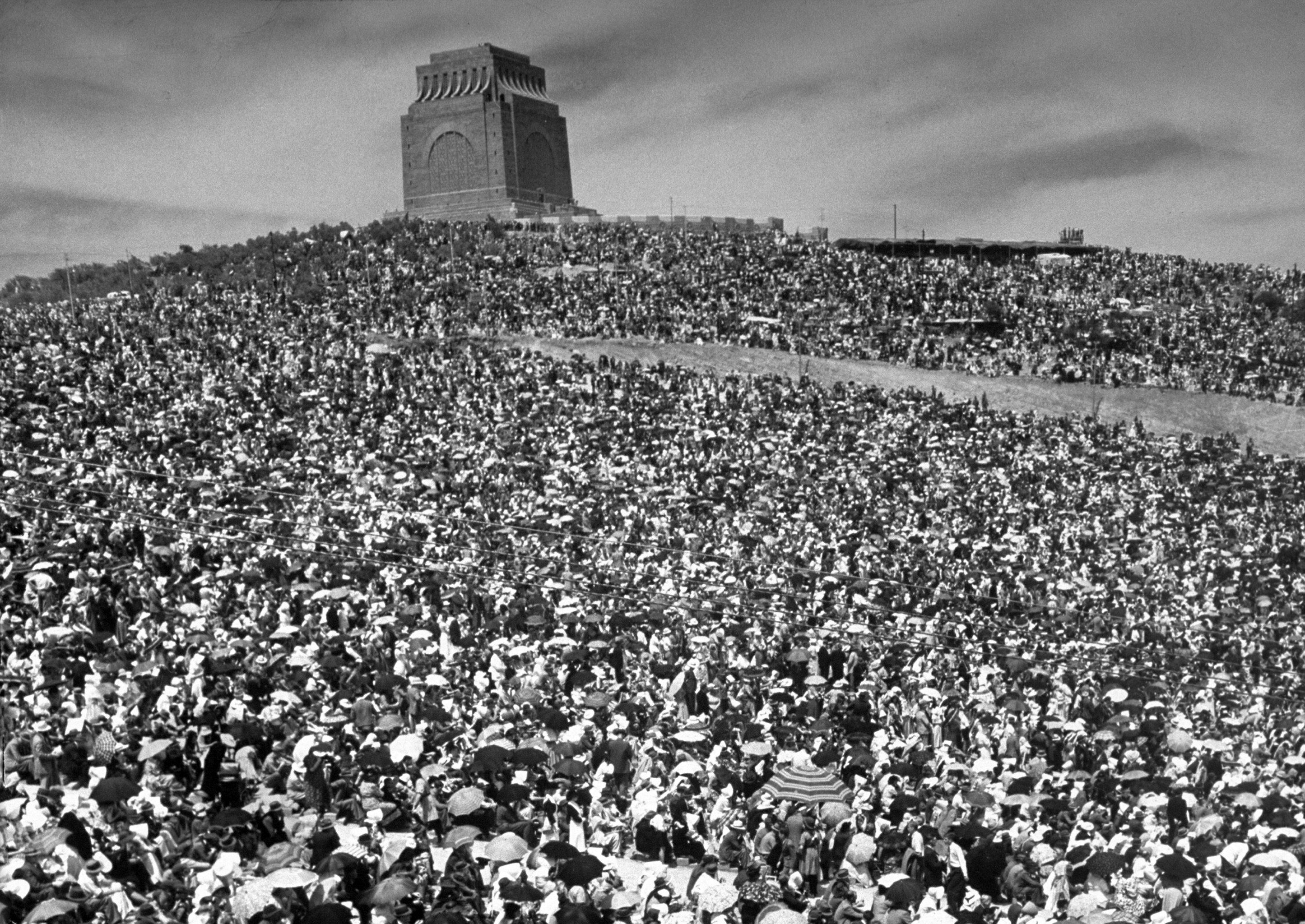
Construction of the Voortrekker Monument began in 1937 with a sod-turning ceremony on Monument Hill in Pretoria, far from the river itself. On 16 December 1938, descendants of Voortrekker leaders Andries Pretorius, Hendrik Potgieter, and Piet Retief laid the cornerstone. The monument was inaugurated on 16 December 1949 by Prime Minister D.F. Malan, with a reported 250,000 people present. Total construction cost was around £360,000.
The monument is monumental in every sense: granite, 40 metres tall, unmissable on the Pretoria skyline. Its interior frieze depicts the Great Trek in 27 carved marble relief panels, the largest marble historical frieze in the world. Its cenotaph is designed so that, at noon on December 16 each year, sunlight enters through an opening in the dome and illuminates the inscription: Ons vir jou, Suid-Afrika.
The monument did not fulfil the original church promise of the Vow, that promise belonged to the Church of the Vow, completed in Pietermaritzburg in 1841 and standing today as part of the Msunduzi Museum complex. What the Voortrekker Monument did instead was turn the Great Trek and Blood River into a national symbol of Afrikaner identity, sincerely built and politically powerful. The Nationalist victory in 1948 followed within months of the building's completion.
The monument still stands. It is a national heritage site. The question of what to do with sincerely built monuments that served unjust political purposes is one South Africa is still working through, and the answer the country has chosen, so far, is not erasure but coexistence: this monument continues, and other monuments are built beside it.
A Home for the Other Half of the Story
A new covenant which binds us to the shared commitment of building a new country.
Mangosuthu Buthelezi, Ncome Monument inauguration, 16 December 1998For 160 years after the battle, the river had only one monument, the Voortrekker laager site on the western bank, with its bronze ox-wagons and its annual reading of the Vow. There was no monument on the eastern bank. There was no public building anywhere in South Africa that told the Zulu story of 16 December 1838 at the site itself.
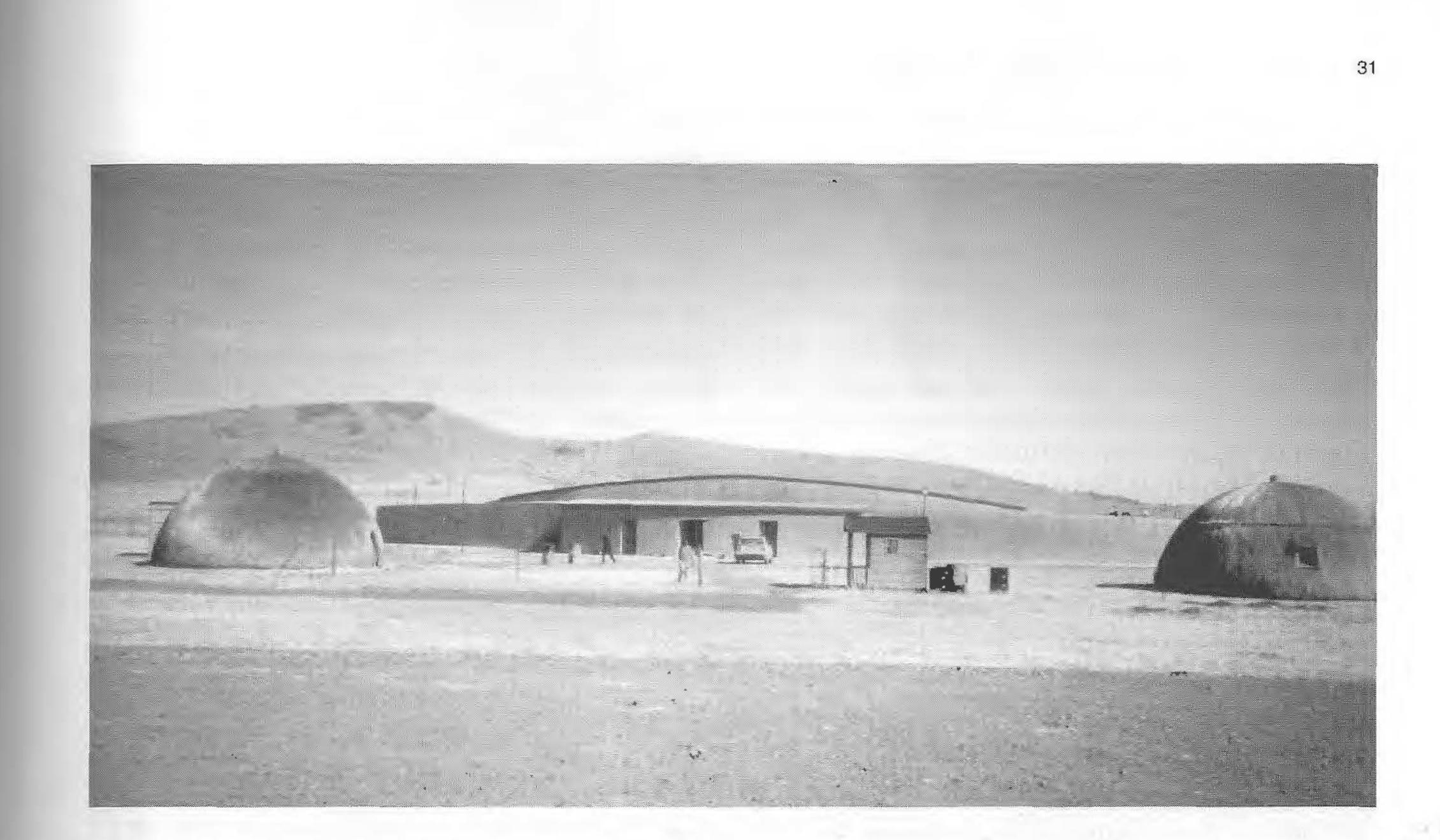
The Ncome Monument was inaugurated on 16 December 1998, exactly 160 years after the battle, as part of the new democratic government's National Legacy Project, a programme designed to fill in the missing histories of the country. The associated Ncome Museum opened the following year, in 1999.
The architecture is itself a statement. The monument and museum complex is shaped, when seen from above, after the izimpondo zenkomo, the buffalo-horn military formation. The main exhibition hall is shaped, on the inside, after a Zulu war shield. At the inauguration, Mangosuthu Buthelezi, Zulu leader and then Minister of Home Affairs, apologised on behalf of the Zulu nation for the killing of Piet Retief and the subsequent suffering, and asked Afrikaners to consider the day as a new covenant binding everyone to the work of building a country together.
The eastern bank, silent for 160 years on the official record, finally had an address.
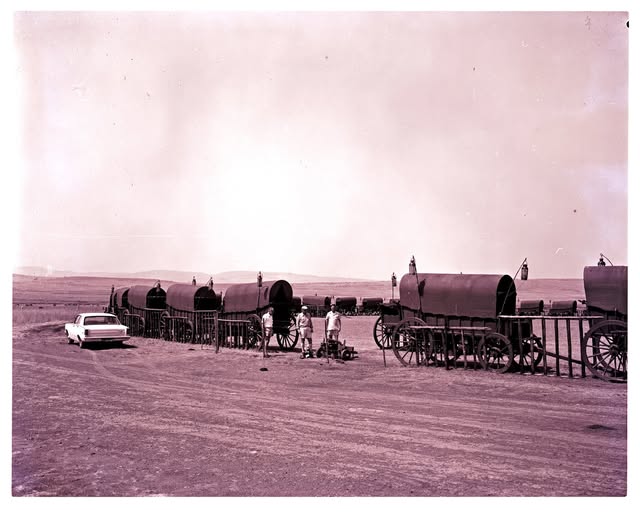
The Laager, No Longer Alone
The western bank held memory in layers long before the bronze laager dominated visitors' photographs. The earliest marker was a simple stone cairn, raised on 16 December 1866, twenty-eight years after the battle, when forty to fifty wagons gathered at the site to commemorate the 1838 victory. A granite ox-wagon, sculpted by Coert Steynberg, was completed in 1939 and unveiled in 1947, its dedication delayed by the Second World War. A pyramidal "Covenant Renewal Beacon" had been erected during the 1938 Voortrekker centenary.
The form most visitors know today, the full bronze laager, came later. In 1971, sixty-four life-size wagons modelled on the "Johanna van der Merwe" centenary replica were arranged in a D-shape on the site of the original 1838 laager. They were not solid bronze: each was wrought iron clad in bronze, set on concrete foundations, with whip-handled lanterns and palisades replicating the defensive arrangement. The laager was unveiled on 16 December 1971 by Prime Minister B.J. Vorster.
For most of the 20th century, this accumulating shrine, cairn, granite wagon, beacon, bronze laager, was the only telling at the river itself. There was no monument on the eastern bank. There was no public building anywhere in South Africa that told the Zulu story of 16 December 1838 at the site.
From the morning of 16 December 1998, that telling was no longer alone. The Ncome Monument stood on the opposite bank, the river running between them. A footbridge would later connect the two sites, though the bridge took years to complete, standing as three pylons in the river for over a decade. Reconciliation, the bridge taught, is not a moment but a slow walk.
The two sites do not agree about everything. Funding has been uneven; political seasons have been complicated; the meaning of the day continues to be argued over every December. But for the first time, the western telling and the eastern telling face each other across the same flowing line. They argue, when they argue, in sight of each other.
The river runs between them, as it always has, carrying both names.
The Modern Site
Two Memories, One Space
Today both monuments stand on opposite banks of the same river. Move across the land below to explore each place of memory.
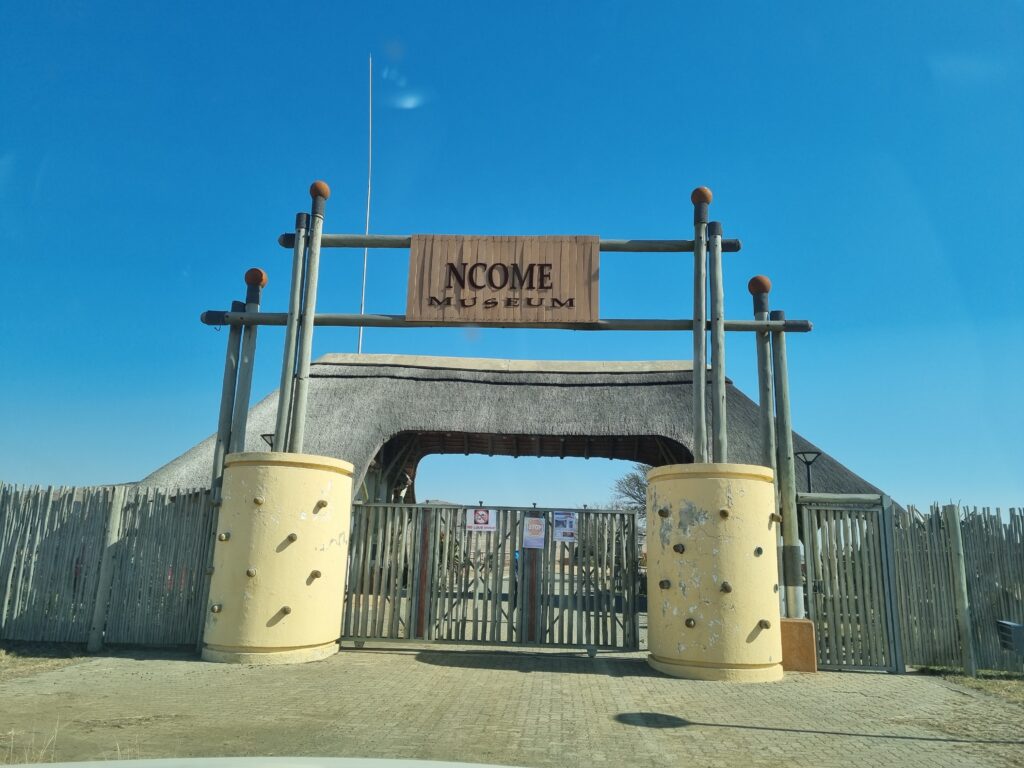
Ncome Museum
Zulu MemoryStanding on the western bank of the Ncome river, this museum was the first official space dedicated to the Zulu memory of the battle. For more than a century, only the Voortrekker side of the story had a monument.
The architecture mirrors the form of the Zulu shield. Inside, oral testimonies, regimental histories, and the names of the fallen amabutho are kept, voices that survived in song long before they survived in stone.
Content Sources South African History Online — Ncome Museum ↗ Artefacts — Ncome Monument and Museum Complex ↗
The Wagon Laager Monument
Voortrekker MemoryOn the eastern bank stands a full-scale bronze reconstruction of the laager, 64 wagons cast in metal, arranged in the same defensive ring formed on the eve of the battle.
Unveiled in 1971, the monument lets visitors walk between the wagons themselves. Each one weighs over a ton, fixed permanently in the formation that stood through the night of 16 December 1838.
Content Sources Artefacts — Bronze Wagon Laager ↗ History Hit — Battle of Blood River Memorial ↗
The Battle Site
Shared GroundThe land between the two monuments, the original ground of the battle. Here the laager of 64 wagons stood through the night, and here the river ran red by midday, carrying both the cost of the battle and the silence that followed it for more than a century.
For most of the next century, it remained farmland. Only in the late twentieth century did the two sides begin to recognise that the same place could hold both stories at once.
Content Sources South African History Online — Battle of Blood River ↗ Encyclopaedia Britannica — Battle of Blood River ↗
The Bridge of Reconciliation
ReconciliationFor 176 years after the battle, no physical structure linked the two banks. Visitors had to drive a wide loop to cross from one memory to the other.
The footbridge, opened in 2014, was the first time the two monuments, and the two memories they hold, were directly connected. It is a small structure carrying an enormous symbolic weight.
Content Sources South African Government — Ncome Phase 2 / Reconciliation Bridge ↗ Artefacts — Reconciliation Bridge ↗
What will you leave in the water?
I have flowed past both banks for longer than either memory. I carried the weight of December 1838, and I kept moving. Two peoples called me by different names, fought on my shores, built their monuments on opposite sides of me, and then one hundred and seventy-six years later, walked across me together. I am still here. What do you carry forward? iNcome / Blood River, KwaZulu-Natal
Leave a thought in the current. It will drift with everyone else who stood here and asked the same question.